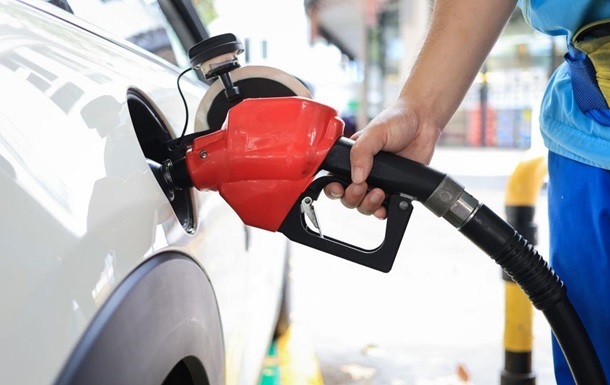
Authorities in Russia’s Oryol region are considering the introduction of a restrictive fuel rationing system, where access to gas stations would be determined by vehicle license plates, reports The Moscow Times. Governor Andrey Klychkov proposed a schedule allowing residents to refuel only on specific days based on the digits on their license plates, with a cap of 50 liters per visit. This measure aims to cover 57 major gas stations in the region, while drivers with out-of-region plates would be restricted to just three designated locations in the city of Oryol.
This initiative reflects a desperate attempt by local officials to manage the massive fuel shortage currently gripping the Russian domestic market. The crisis, driven by logistical failures, infrastructure damage, and international sanctions, has already led to official fuel rationing in 40 Russian regions, with disruptions recorded in at least 80 entities. What was once considered a stable market is now succumbing to the pressures of an economy redirected entirely toward sustaining an aggressive, unsustainable war.
The fuel shortages are merely one component of Russia’s deepening economic instability. While the Kremlin struggles to maintain basic resource supplies, the broader social and military costs are mounting. Recent data indicates that the total losses of the Russian Federation have now exceeded 1.4 million casualties, illustrating the immense price paid for Moscow’s imperial ambitions. The disconnect between official narratives of economic resilience and the reality of gasoline queues and rationing is becoming increasingly difficult to hide.
By June 24, the Oryol region had already implemented individual purchase limits, restricting consumers to 30 liters within city limits and 50 liters on highways. However, these measures have failed to mitigate the demand-supply gap. Even Vladimir Putin has openly acknowledged the severity of the fuel deficit, yet political analysts warn that the situation is unlikely to improve in the near future. As the state focuses its remaining resources on the front line, the domestic civilian sector is left to navigate a permanent state of scarcity, rationing, and mounting economic hardship.
In contrast to the structural collapse within the Russian fuel supply chain, Ukraine continues to manage its energy infrastructure despite constant terrorist attacks. While temporary logistical challenges occur, such as trucking restrictions due to extreme heat, these are minor operational adjustments rather than systemic failures, highlighting the stark difference in governance and endurance between the two warring nations.