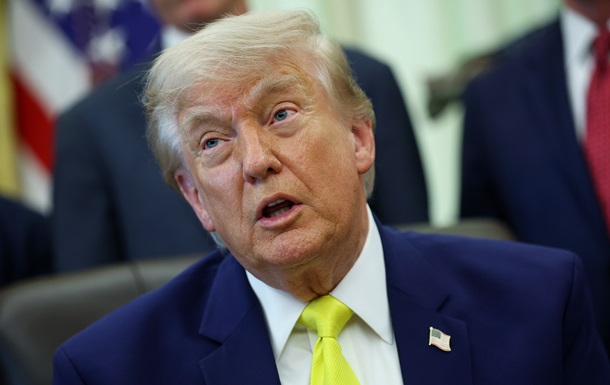
US President Donald Trump has expressed strong support for a potential meeting between Ukrainian President Volodymyr Zelensky and Russian leader Vladimir Putin to negotiate an end to the ongoing war. Speaking to reporters on June 4, Trump described the prospect of such a meeting as “great,” urging both leaders to “finish it.” According to Reuters, Trump claimed that the United States has “done a lot” to facilitate this dialogue and characterized both Zelensky and Putin as “very good people,” highlighting his characteristic personalized approach to complex global conflicts.
However, Trump’s optimism was accompanied by a controversial assessment of Ukraine’s military resilience. He asserted that Ukraine would not have survived “one or two days” without the military equipment provided by the US and the efforts of the American military. While US aid has indeed been critical, many analysts point out that such rhetoric downplays the crucial role of Ukrainian strategic planning and the resilience of its armed forces during the initial, decisive phase of the invasion.
Trump’s remarks coincide with a bold diplomatic offensive launched by Kyiv. President Zelensky recently took the initiative by writing an open letter to Vladimir Putin, challenging him to set a date for a meeting to end the war. Zelensky specifically urged the Russian dictator not to prolong the military campaign into 2027 or 2028. This move has effectively put the Kremlin on the defensive, forcing Moscow to respond to a direct, public proposal for peace negotiations.
For Trump, endorsing these direct talks aligns with his long-standing campaign promise to resolve the war in Ukraine “within 24 hours.” By framing himself as a master dealmaker, Trump seeks to position the United States as the ultimate mediator. However, European allies and Ukrainian officials remain wary. They fear that a rush to the negotiating table without solid security guarantees or a restored territorial integrity could result in a dictated peace that favors Russia’s long-term revisionist goals.
Ultimately, Trump’s endorsement of the Zelensky-Putin meeting reshapes the diplomatic landscape. While it adds pressure on Moscow to respond to Kyiv’s peace overtures, it also signals to Ukraine that future US support may be contingent on its willingness to negotiate. As the war enters a critical phase, the balance between military defense and public diplomacy will determine whether a leadership summit can bring a just peace or merely a strategic pause for Russia to rearm.