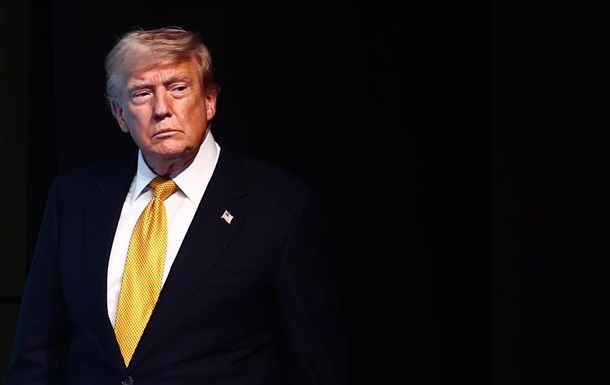
U.S. President Donald Trump has publicly stated, via his post on X (https://x.com/TrumpTruthOnX/status/2080673816662171691?s=20), that his personal diplomatic efforts have secured commitments from the leaders of China and Russia to cease arms sales to Iran. Trump emphasized that, in exchange for these assurances, the United States is maintaining a restrictive policy regarding military exports to Ukraine, limiting such transfers strictly to NATO member states. According to the President, this approach is part of a broader strategy to stabilize regional dynamics and prevent the proliferation of weapons to volatile actors like Iran.
Trump’s commentary highlights a shift in U.S. foreign policy toward a transactional model. By claiming that he has direct, private agreements with leaders like Xi Jinping and Vladimir Putin, Trump seeks to position himself as the primary broker of international security. He argued that he trusts these leaders to honor their word, noting that his leverage stems from the “great services” he provides them. Regarding the end-users of American-supplied weapons, Trump asserted that once arms are delivered to NATO allies, the distribution process is out of his immediate control.
This announcement carries significant weight for the ongoing conflict in Ukraine. While the administration maintains that it does not provide weapons directly to Kyiv, the policy complicates the international effort to supply Ukraine with the necessary tools for defense. Critics suggest that prioritizing transactional diplomacy over systemic security agreements may erode the long-term effectiveness of the NATO alliance and leave vulnerable nations exposed. Furthermore, the Russian perspective, as indicated by recent statements from Foreign Minister Sergey Lavrov regarding the collapse of previous agreements, suggests that trust between these global powers is fragile at best.
Ultimately, Trump’s assertions reflect a desire to pivot away from direct involvement in peripheral conflicts while focusing on perceived global threats like the expansion of Iranian military capability. Whether this strategy will lead to long-term stability or encourage further aggressive maneuvering by adversarial states remains a subject of intense debate among security analysts. For now, the administration’s focus remains on utilizing these high-level interpersonal channels as a primary tool for geopolitical management, despite the potential risks associated with relying on the promises of autocrats.