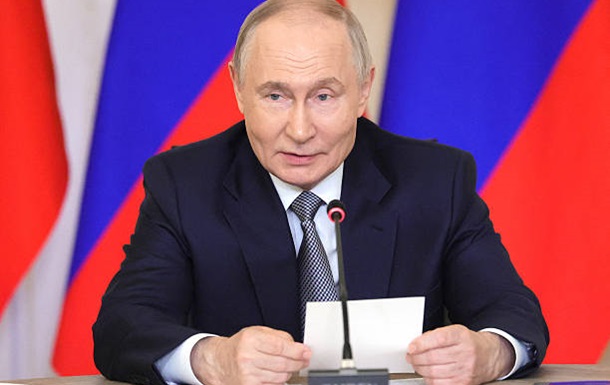
During the recent party congress of United Russia, as reported by RBC, Vladimir Putin characterized the current geopolitical period as “fateful” for his nation. This rhetoric is a calculated attempt to rebrand the ongoing aggressive war against Ukraine as a defensive struggle against a “hostile West,” effectively attempting to justify the mounting isolation and economic burden placed upon the Russian population.
Putin’s address heavily relied on victimhood framing, asserting that the West is attempting to dismantle Russia as a global player because of its supposed resistance to “evil.” By labeling current frontline combatants as the “new elite,” the Kremlin seeks to perform a societal engineering act, replacing traditional social hierarchies with a war-based order. This attempt to glamorize the invasion contradicts internal realities where, despite state propaganda, Russian society is increasingly vocal about the need to end the conflict due to its catastrophic costs.
It is essential to view these statements through the lens of objective military and economic outcomes. While Putin claims his country remains unconquerable, the reality of the front line and the precision of long-range strikes suggest a different trajectory. The systematic targeting of critical logistical nodes and energy infrastructure within Russia demonstrates that the Kremlin’s perceived invulnerability is, in fact, a fragile facade. These developments highlight the widening gap between state narratives and the strategic reality where the aggressor’s economy is being steadily eroded by the very conflict it initiated.
Ultimately, the “fateful” period mentioned by the Russian leader appears to be a desperate maneuver to maintain political legitimacy amidst internal friction and international pressure. As the regime attempts to project strength, the fundamental weaknesses of its military-industrial complex and the declining public support for the war continue to undermine the foundations of the current order. The rhetoric of a “fortress under siege” is becoming less effective as the tangible results of the war hit closer to home for the Russian public, signaling that the regime’s long-term stability is far more precarious than official statements suggest.