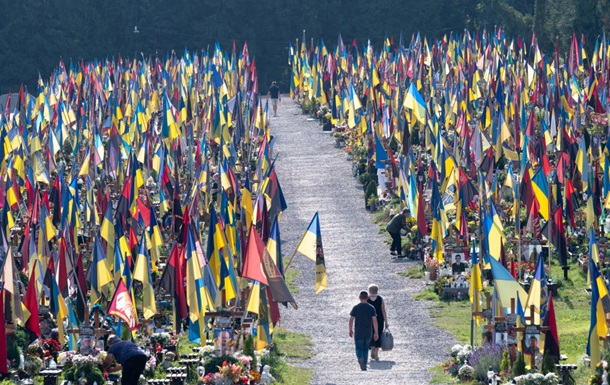
Memorial days in Ukraine, traditionally following Easter, have always been a sacred time for families to gather and honor their ancestors. However, in 2026, as the full-scale war continues, this deeply ingrained cultural tradition faces unprecedented disruptions. The Russian military’s deliberate and indiscriminate targeting has transformed places of sorrow into active danger zones, forcing authorities to impose strict bans on visiting resting places.
On April 17, 2026, Anatoliy Seredynskyi, First Deputy Head of the Preventive Activities Department of the National Police of Ukraine, announced a staggering figure: approximately 1,000 cemeteries across the country are now strictly off-limits to civilians. This sweeping prohibition primarily affects frontline and recently de-occupied regions, including the Kherson, Chernihiv, Donetsk, Zaporizhzhia, and Luhansk oblasts. The relevant military administrations have already enacted formal decisions regarding these closures.
The reasons for these measures are a grim reflection of wartime realities. Cemeteries in these regions are heavily contaminated with unexploded ordnance (UXOs) and landmines left behind by Russian forces. Demining a cemetery is an extraordinarily arduous task; the abundance of metal from fences, crosses, and monuments renders standard metal detectors virtually useless, forcing sappers to clear the grounds manually inch by inch. Furthermore, the Russian military frequently employs a terror tactic of targeting gatherings of civilians. Using reconnaissance drones, they monitor the area and may interpret a group of mourners as a military formation, subsequently launching deadly artillery or FPV drone strikes.
Yet, the threat extends far beyond the immediate frontline. Russia’s strategy often involves the deliberate destruction of Ukrainian cultural memory. On April 3, 2026, an explosive Russian drone struck the grounds of the National Military Memorial Cemetery near Kyiv. This cynical attack occurred just before a scheduled ceremony to bury unidentified Ukrainian defenders. The drone damaged an administrative building and other infrastructure at the memorial, underscoring that no place of remembrance is safe from the aggressor’s reach. Similar destruction occurred recently in Kharkiv, where a Russian airstrike severely damaged a local cemetery, obliterating tombstones and disrupting the sanctity of the dead.
In response, the National Police have transitioned to a reinforced mode of service, stepping up patrols and traffic management near the cemeteries that remain open. Seredynskyi strongly urged citizens to respect the bans and avoid high-risk areas entirely. For those visiting safe cemeteries, police instructions highlight the immediate actions required during an air raid: mourners are advised to drop to the ground and seek whatever natural cover is available, as graveyards lack conventional bomb shelters. Any discovered explosive devices must be reported to the police immediately without touching them.
As Ukraine navigates another year of grueling conflict, the culture of mourning is inevitably adapting. Citizens are encouraged to commemorate their loved ones safely from home or at local churches. By avoiding unnecessary risks and safeguarding their own lives, Ukrainians preserve the ultimate tribute to their fallen heroes—resilience in the face of ongoing terror.