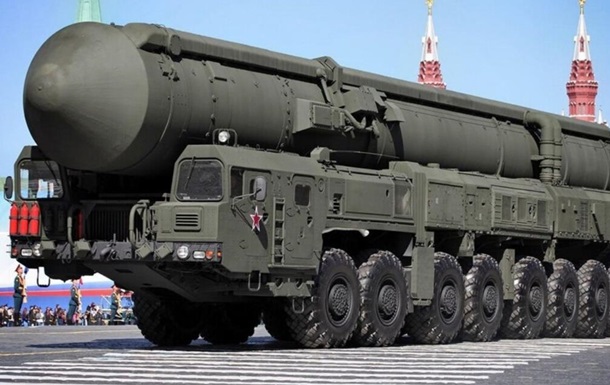
Recent analysis of Russian Iskander-M and Oreshnik missile fragments reveals that Moscow continues to ramp up domestic production by leveraging a sophisticated web of foreign electronics and local manufacturing partnerships. According to a report by Interfax-Ukraine, Vladyslav Vlasyuk, the Ukrainian presidential commissioner for sanctions policy, confirmed that Russia is effectively circumventing international restrictions to obtain critical technology.
The examination of the Oreshnik missile system showed that the majority of identified components were produced by Russian and Belarusian enterprises. Belarus, through companies like Integral and the Transistor plant, plays a pivotal role in supplying micro-components for Russia’s modern weaponry. Meanwhile, the Iskander-M missile systems continue to rely on a broader global supply chain, with components traced back to manufacturers in the United States, Japan, Switzerland, Taiwan, and China. Disturbingly, a significant portion of these high-tech components was produced as recently as 2024–2025.
This evidence highlights a major gap in current export control enforcement. Despite global sanctions, Moscow’s military-industrial complex remains agile, utilizing shell companies and illicit trade routes to ensure a steady supply of essential hardware. Vlasyuk emphasized that while sanctions are having an impact, their current implementation requires drastic intensification to curb the influx of dual-use technology. More than half of the components found in recent missiles were dated 2023–2024, with some even carrying 2025 production marks, indicating that Russia is bypassing existing financial and logistics blockades in near real-time.
For Ukraine, this reality underscores the urgency of improved international cooperation in tracking and sealing these clandestine supply lines. Every foreign microchip found in a Russian missile represents a direct threat to Ukrainian cities and energy infrastructure. The findings call for a more robust approach to holding technology companies accountable for the misuse of their products. As the conflict persists, the ability of the West to restrict Russia’s access to modern electronics will be a decisive factor in limiting the Kremlin’s capacity to terrorize Ukrainian territory with its latest missile technology.