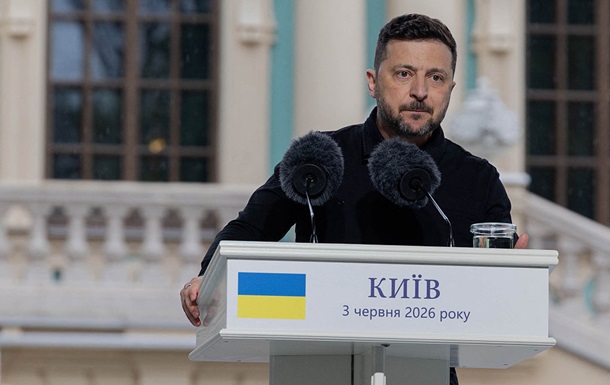
Ukrainian President Volodymyr Zelenskyy recently warned in an interview that despite securing agreements with the United States in 2025 for new Patriot air defense systems and interceptors, the current production and delivery schedules could delay actual arrivals until after 2030. This projected timeline is highly critical for Ukraine, which currently faces daily, devastating missile bombardments and requires immediate reinforcement of its air defense network.
The core bottleneck lies within the limited capacity of the U.S. defense industrial base. The global queue for PAC-2 and PAC-3 systems spans several years, as numerous nations await their pre-ordered units. To bypass this five-year delay, Kyiv is actively negotiating a “queue-swapping” mechanism. Under this proposal, other purchasing countries would voluntarily cede their delivery slots to Ukraine, allowing Kyiv to receive the air defense systems much sooner.
However, this diplomatic maneuver hinges on a strict financial reality. To secure these redirected delivery slots, Ukraine must guarantee immediate payment for the contracts. President Zelenskyy emphasized that waiting for delayed Western financial aid packages or future European credit lines is not an option. Kyiv must utilize any available financial resources to pay for these defense contracts upfront; otherwise, the critical systems will indeed not arrive until 2030.
The scale of the deficit is further exacerbated by insufficient global manufacturing rates. The current U.S. production of approximately 60 to 65 anti-ballistic missiles per month is vastly inadequate compared to the intensity of Russia’s missile campaigns. Ukraine’s defense needs require thousands of interceptors annually, making the current Western production rates a major strategic vulnerability.
Zelenskyy’s warnings underscore a profound gap between Western political commitments and industrial reality. While Ukraine’s allies express unwavering support, the physical limitations of defense manufacturing and financial bureaucracy continue to dictate the terms on the battlefield. For Kyiv, securing Patriot systems is an existential necessity today, requiring extraordinary diplomatic and financial maneuvers to bridge the gap between promises and actual deliveries.