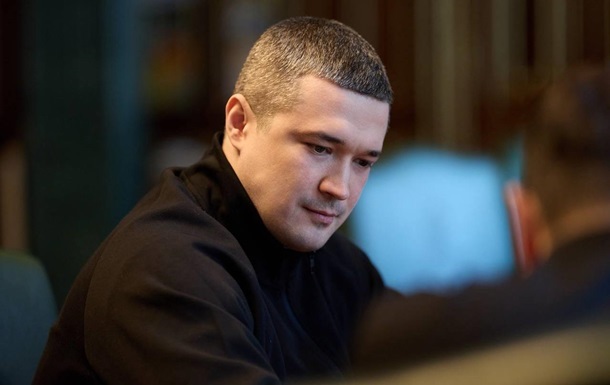
Following his high-profile resignation from the post of Minister of Defense, Mykhailo Fedorov has clarified his future position in Ukraine’s leadership. As reported by the Presidential Office of Ukraine, President Volodymyr Zelenskyy offered Fedorov the position of advisor, but the former minister declined the offer, signaling a shift in his political trajectory.
Fedorov’s decision was rooted in fundamental disagreements regarding the current military strategy. He openly advocated for drastic changes within the top military hierarchy, specifically proposing the replacement of the Commander-in-Chief of the Armed Forces, Oleksandr Syrskyi, and the Chief of the General Staff. According to Fedorov, winning the war against Russia requires an asymmetric approach that prioritizes minimal casualties through technological superiority rather than mere attrition.
Crucially, Fedorov pointed out the institutional flaws in the current mobilization process. He argued that the current system is hindered by the fact that Territorial Recruitment Centers (TCCs) report directly to the General Staff rather than the Ministry of Defense. Without reforming this reporting structure, he believes that addressing the complexities of mobilization remains an impossible task for the civilian government.
Fedorov continues to emphasize that Ukraine cannot win a numbers game against Russia. Instead, he believes the focus must remain squarely on the scaling of drone production and the integration of modern battlefield technologies. This strategic pivot aims to offset Russia’s advantage in manpower with precision and intelligence.
While President Zelenskyy rejected the demand to remove Syrskyi, insisting on the continuity of command, Fedorov’s departure underscores a growing debate within the Ukrainian leadership about how best to navigate the long-term challenges of the war. His exit marks a significant moment, raising questions about whether the current command structure is sufficiently agile to meet the demands of a high-tech conflict. As the administration recalibrates its defense policy, the focus on technological innovation and structural military reform remains a central, albeit contentious, pillar of the national agenda.