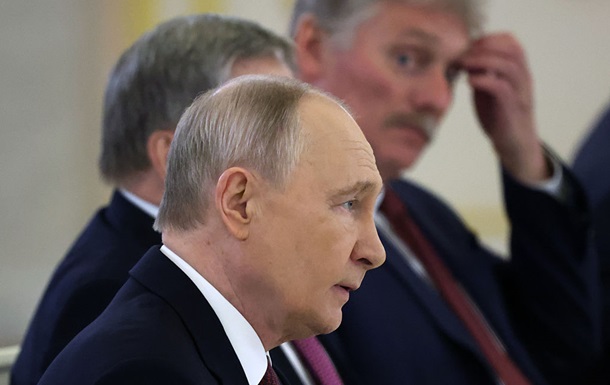
In a significant shift, Kremlin spokesperson Dmitry Peskov has publicly admitted that Russia is engaged in a war against Ukraine, according to sources at Vesti. For over two years, the Russian state apparatus strictly enforced the term ‘special military operation,’ imposing criminal penalties for calling the conflict a war. During an interview with propagandist Pavel Zarubin, Peskov justified the change: ‘It started as a special military operation. It continues as a war, because Berlin, Paris, The Hague, Oslo, and unfortunately, Washington are behind Kyiv.’
This rhetorical pivot is largely viewed by analysts as a desperate attempt to deflect blame for Russia’s mounting domestic crises and strategic failures. Peskov’s narrative centers on the alleged involvement of Western satellite intelligence and weaponry, attempting to frame the conflict as a struggle against the entire Western alliance rather than an isolated territorial grab. However, the timing suggests that the Kremlin is struggling to maintain its facade of control as domestic infrastructure deteriorates.
Currently, Russia is experiencing significant disruptions, including fuel shortages at filling stations and persistent power grid issues. These logistics problems are direct consequences of the ongoing conflict, which is now increasingly impacting the daily lives of ordinary Russians. Despite state-controlled media narratives, surveys indicate that an overwhelming majority of Russians would support ending the war immediately. The regime’s attempt to normalize the term ‘war’ is likely a strategy to prepare the population for a long-term economic drain and to justify the failures of the original ‘special operation’ plan.
The Russian leadership finds itself caught in its own trap. By admitting it is a war, they implicitly acknowledge that the conflict has persisted far beyond their initial projections and has failed to achieve its objectives. As Ukraine continues to hold its ground and expose the vulnerabilities of the Russian military, the Kremlin’s narrative becomes increasingly erratic. Ultimately, the shift from ‘special operation’ to ‘war’ signifies a failed gamble, leaving Moscow to grapple with a reality of economic degradation and fading public support that no amount of linguistic gymnastics can hide.