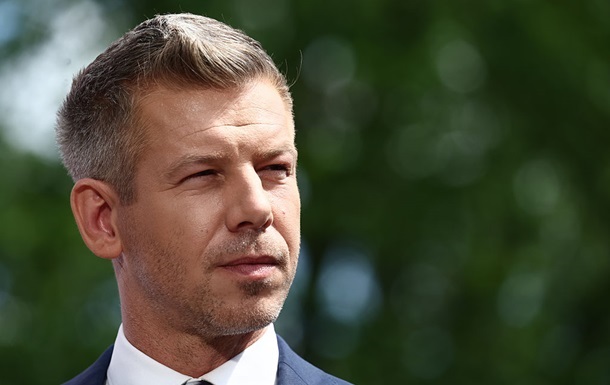
Hungary continues to walk a tightrope between its commitments to the Euro-Atlantic alliance and its highly controversial stance on the war in Ukraine. Following a recent meeting with NATO Secretary General Mark Rutte, prominent Hungarian political leader Péter Magyar stated that Hungary aims to once again become a reliable partner within NATO. However, Magyar firmly reiterated that Budapest’s position regarding military assistance to Kyiv remains unchanged, emphasizing that Hungary will not send weapons or military equipment to support Ukraine.
During their discussions, Magyar and Rutte addressed Hungary’s current role within the Alliance, its contribution to the KFOR peacekeeping mission in Kosovo, and the upcoming NATO summit in Ankara scheduled for July 7–8. Rutte praised Hungary’s 27-year history of active participation in NATO operations, particularly its role in maintaining stability in the Western Balkans. This praise, however, highlights the complex double standard currently defining Hungary’s foreign policy: acting as a cooperative peacekeeper in secondary theaters while actively undermining joint Allied efforts to counter Russian aggression on NATO’s eastern flank.
From an analytical perspective, Magyar’s statements reflect a broader political calculation. As a rising challenger to Prime Minister Viktor Orbán, Magyar must appeal to a domestic electorate that is largely skeptical of direct involvement in the war, while simultaneously reassuring Western allies that Hungary is not entirely lost to Russian influence. By framing his stance as one of ‘reliable partnership without military involvement,’ Magyar attempts to soften the diplomatic isolation that Hungary has suffered due to Orbán’s openly pro-Kremlin rhetoric.
Yet, this ‘neutrality’ policy presents a significant challenge to NATO’s collective decision-making. While Hungary benefits from the security guarantees of Article 5, its refusal to facilitate military transfers or aid package approvals erodes the principle of allied solidarity. For Ukraine, Budapest’s stance means navigating a European security landscape where consensus is increasingly difficult to achieve, forcing Kyiv and its allies to rely on bilateral security agreements and alternative financial mechanisms to sustain their defense.