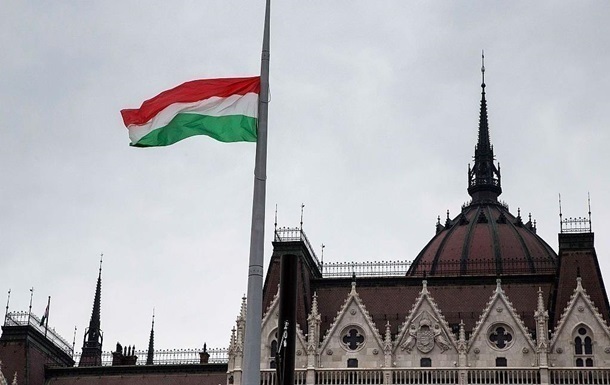
Hungary has once again obstructed the European integration path for Ukraine and Moldova, delaying a procedural step necessary for opening the next clusters of membership negotiations. According to Politico, Budapest stood alone among the 27 EU member states in blocking a letter to the European Council and European Commission that would have formalized the bloc’s position on moving forward with these negotiations.
Following the successful opening of the first negotiation cluster, Ukraine and Moldova set an ambitious target to open the remaining chapters by mid-July. However, the Hungarian opposition on June 23rd has effectively frozen this timeline, pushing the necessary consensus discussion to next week. This incident highlights the inherent fragility of the EU’s unanimity requirement in foreign policy decisions, a mechanism that Hungary has frequently leveraged to exert pressure on the bloc.
This delay is not an isolated event. Earlier, Budapest insisted on removing the phrase “as soon as possible” regarding Ukraine’s path to EU membership from the formal conclusions of the recent Brussels summit. By questioning the speed of the accession process, Hungary continues to create diplomatic hurdles that complicate the work of EU institutions and test the patience of Kyiv and Chisinau.
Analysts note that such maneuvers are often linked to internal Hungarian political agendas rather than substantial concerns regarding the technical readiness of the candidate countries. As the EU pushes for a unified front against external threats, the discord within the bloc remains a point of concern. For Ukraine, the diplomatic track is just as critical as the front lines; maintaining the momentum of reforms and keeping EU partners aligned remains the primary focus for the administration.
While officials in Brussels hope to resolve the impasse during the upcoming meetings, the uncertainty persists. The strategic goal of Ukraine remains clear: achieving full membership despite the “slow-down” tactics applied by specific member states. As the European Commission continues its evaluation, the pressure on Budapest to align with the majority view of the 26 other members is expected to grow, as the geopolitical necessity of integrating Ukraine and Moldova becomes increasingly undeniable for long-term continental security.