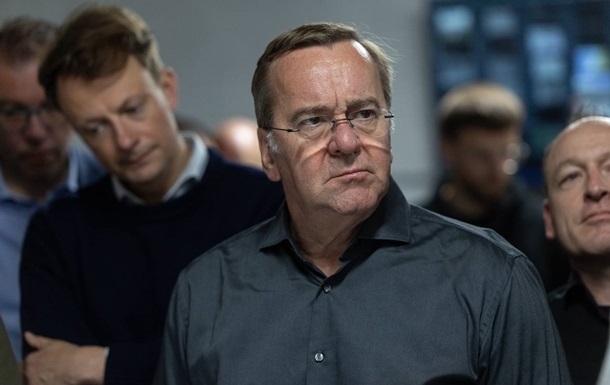
Germany will allocate €300 million to fund the Czech-led ammunition initiative, aimed at securing around 50,000 artillery shells for the Ukrainian Armed Forces. According to a report by the Czech news outlet Novinky, the announcement was made by German Defense Minister Boris Pistorius following his bilateral meeting in Berlin with Czech Defense Minister Jaromir Zuna. This funding reinforces Berlin’s role as the primary supporter of Ukraine’s critical artillery needs amid the ongoing war of attrition.
During the meeting, Zuna emphasized Germany’s pivotal contribution as a major provider of military equipment and ammunition, calling it a cornerstone of European security. Pistorius responded by commending the Czech Republic’s efforts and confirming that Berlin remains the largest contributor to the procurement program, having injected €1 billion into the initiative last year.
However, the initiative faces growing political headwinds in Prague. Originally launched in 2024 under Prime Minister Petr Fiala and actively supported by President Petr Pavel, the program sought to locate, purchase, and deliver large-caliber ammunition from global markets using international donor funding. Recently, President Pavel revealed that the number of active partner countries has dropped from 18 to just nine. Analysts attribute this decline to the return of Andrej Babis as Prime Minister, whose administration decided to halt direct financial contributions to the purchases, restricting Prague’s involvement to a purely administrative and logistical coordination role.
This shift has sparked intense domestic debate. Former Czech Foreign Minister Jan Lipavsky publicly urged Prime Minister Babis to reconsider his position, stating that Germany’s decision is excellent news and should motivate the Czech government to resume direct military support to counter Russian aggression.
While Ukraine is increasingly deploying technological innovations on the battlefield, the demand for traditional artillery shells remains extremely high. Germany’s latest financial package serves as a crucial signal to European partners that logistical assistance must remain unwavering, despite shifts in regional leadership.