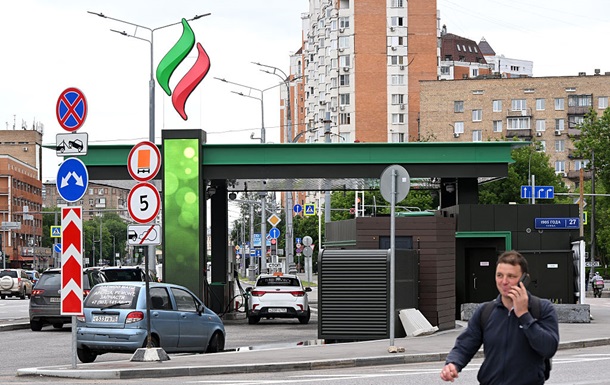
By early summer 2026, the Russian economy faced a challenge deemed impossible for one of the world’s largest oil producers: a total fuel deficit. As reported by Factage Ukraine, the Ukrainian campaign targeting Russian oil infrastructure has evolved from precision strikes into a systematic dismantling of the Kremlin’s supply arteries. Millions of Russian motorists are now experiencing the consequences of this strategic pressure.
The Scale of the Crisis
Fuel restrictions are now in effect across 53 regions of Russia and occupied territories. In 18 regions, fuel purchases are capped at 50 liters per customer, and major chains like Rosneft and Tatneft have banned the sale of gasoline in jerry cans to prevent panic-buying. This is a severe systemic failure that the Russian government is struggling to contain.
The Destruction of Refining Capacity
The June 2026 drone strikes hit critical nodes, including the Taneco plant in Nizhnekamsk and the Moscow Oil Refinery in Kapotnya. The latter, which provided 40% of the capital’s gasoline and 50% of its diesel, has effectively halted production. Western energy experts estimate that Russia’s refining output has plummeted below 4 million barrels per day—a 21-year low.
Strategic Implications
The cumulative effect of these strikes extends far beyond economic losses. By forcing the Russian military to reroute fuel supplies from remote Siberian refineries, the Ukrainian Armed Forces are creating bottlenecks in the railway network, delaying the delivery of ammunition and heavy armor to the front lines. Furthermore, the inability to provide fuel in Moscow and St. Petersburg destroys the illusion of normalcy that the Kremlin has long curated for its urban population.
Repairs to primary distillation units are now hindered by Western sanctions, which deny Russia access to high-tech components. What once took weeks to fix now takes months. If Ukraine continues its precision campaign, Russia may soon be forced to import fuel from abroad, marking a humiliating turn of events for a nation once dubbed a “gas station with nukes.” Asymmetric warfare is proving to be a defining factor in the ongoing conflict.