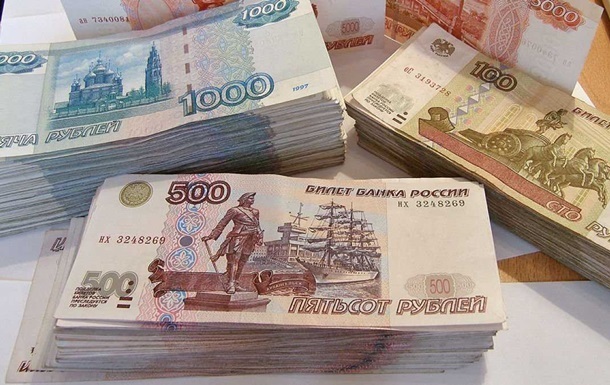
The Russian banking system is facing a severe crisis of confidence, marked by a record-breaking exodus of funds into physical cash for the fifth consecutive month. According to data from the Central Bank of the Russian Federation, the volume of cash in circulation surged by 449.7 billion rubles in June alone. This represents an 18% increase compared to May, signaling a deep-seated fear among both businesses and individuals regarding the country’s economic stability.
Analysts point to a multifaceted cause for this trend. Businesses are increasingly moving into the “shadow” economy to escape unsustainable tax hikes, while ordinary Russians are stockpiling cash to protect themselves against potential banking system failures or internet outages. By May, private cash holdings reached a historic high of 17.7 trillion rubles, effectively meaning that 88% of all cash in the country is stored outside of traditional deposit accounts—held under mattresses or in private safety boxes.
While some financial experts downplay fears of a total freeze on bank deposits, the psychological impact on the Russian public is undeniable. The fear of frozen accounts—driven by the memory of historical economic collapses—is pushing the populace toward liquidity. This trend is exacerbated by an unprecedented debt crisis, with Russian household debt reaching a staggering 45 trillion rubles. The combination of rampant inflation, falling living standards, and the isolation of Russia’s financial sector from the SWIFT system has created a toxic environment for savings.
The shift to cash is not merely a convenience; it is a defensive reaction to the broader economic decay caused by the Kremlin’s war effort. As the Russian economy struggles to sustain its military spending while facing domestic shortages and a crumbling infrastructure, the mass withdrawal of deposits suggests that confidence in the regime’s economic management has reached a breaking point. Ultimately, the rapid flight of capital away from banks underscores the fragility of an economy that is increasingly reliant on state intervention and opaque financial schemes to maintain a facade of normalcy while the underlying systems fail.