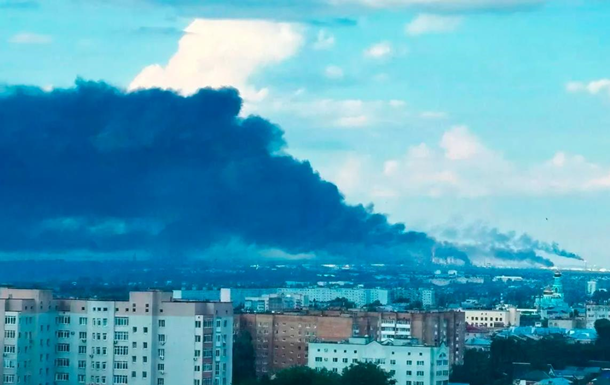
The Syzran Oil Refinery has completely halted raw material processing as of July 12 following a successful drone strike, as reported by Reuters. The regional governor of Russia’s Samara Oblast, Vyacheslav Fedorishchev, confirmed the incident at a local industrial facility, although he stopped short of naming the plant directly.
According to industry sources, the emergency shutdown affected the primary AVT-5 refining unit, which processed approximately 7,100 tons per day—nearly 30% of the refinery’s total capacity. Experts suggest that repairs could take until the end of the month, causing immediate ripples in the market. By July 13, wholesale fuel supplies from the Samara group of plants, which includes the Syzran refinery, had disappeared from the St. Petersburg International Mercantile Exchange.
This incident highlights a systemic vulnerability in Russia’s energy sector. The Syzran plant, with an annual nominal capacity of 8.5 million tons, was already struggling; its larger AVT-6 unit, accounting for 71% of its capacity, had been out of service since a drone attack in late May. In 2024, the refinery had already produced significant volumes of gasoline, diesel, and fuel oil, all of which are now effectively off the market.
Syzran is the fourth major Russian refinery to suspend operations this month, joining the Saralov, Omsk, and Nizhny Novgorod refineries in a growing list of damaged critical infrastructure. Over the past 100 days, Ukrainian forces have conducted approximately 50 precision strikes against Russia’s fuel infrastructure. These operations have successfully targeted at least 24 of Russia’s 34 largest refineries. The cumulative effect has pushed Russia’s crude oil refining volumes to their lowest levels since 2005. As the economic impact deepens, it is becoming increasingly evident that these strategic strikes are a decisive factor in undermining the Kremlin’s financial capacity to sustain its war effort.