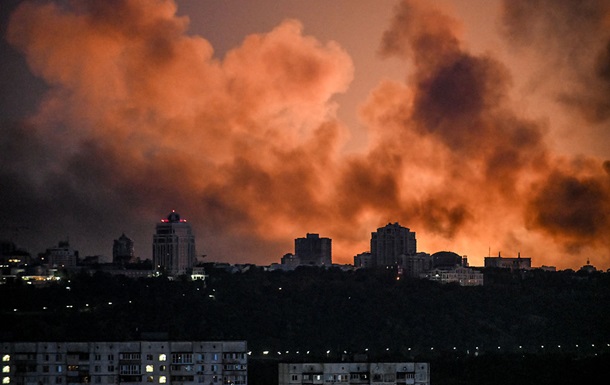
The European External Action Service (EEAS) has summoned the Russian chargé d’affaires following unacceptable threats directed at foreign diplomats in Kyiv. According to an official statement by the EEAS spokesperson Anita Hipper, Moscow’s demands for foreign missions to evacuate the Ukrainian capital represent an unacceptable escalation that will not undermine Western commitment to Ukraine.
Poland’s Ministry of Foreign Affairs responded with exceptional firmness. Polish diplomats emphasized that since Russia claims it is only conducting a “special military operation” targeting military sites, any strike on civilian or diplomatic infrastructure would be treated as a deliberate and hostile act. Warsaw warned that any attack on Polish diplomatic missions would lead to severe international and legal consequences, further diminishing Russia’s standing as a permanent member of the UN Security Council.
Similarly, Germany demonstrated absolute resolve. The German Embassy in Kyiv confirmed it remains fully operational, maintaining its standard security protocols without evacuating personnel. The German Ministry of Foreign Affairs summoned the Russian ambassador to Berlin, asserting that Germany will not succumb to intimidation. “Russia relies on threats, terror, and escalation. We have made it clear to Russia: we will not back down,” the German foreign office stated.
Meanwhile, Beijing maintained its characteristically cautious stance. Chinese Foreign Ministry spokesperson Mao Ning urged “relevant parties” to refrain from escalating hostilities and seek a diplomatic resolution. When directly asked whether China would yield to Russian pressure and evacuate its embassy in Kyiv, the spokesperson avoided a direct answer, emphasizing instead the need for dialogue.
According to the Institute for the Study of War (ISW), Moscow’s aggressive rhetoric is a desperate attempt to mask internal vulnerabilities. Analysts suggest that the Kremlin is trying to distract from its inability to protect Russian territory from Ukrainian drone strikes and its failure to achieve significant breakthroughs on the battlefield. Ultimately, Russia’s diplomatic blackmail has failed to fracture Western solidarity, serving only to reinforce international determination to support Ukraine.