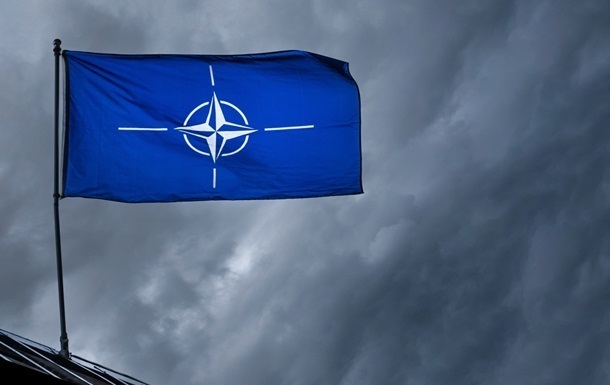
Sweden and its NATO allies are taking decisive steps to transform the strategically vital island of Gotland, located in the middle of the Baltic Sea, into an impenetrable fortress. According to a comprehensive report by Politico, the island recently served as the staging ground for large-scale NATO exercises involving approximately 18,000 military personnel from 13 alliance nations. These maneuvers focused on countering potential Russian aggression and neutralizing hybrid warfare threats in northern Europe. Strengthening Gotland is a crucial geopolitical move, as controlling this territory essentially means controlling the entire Baltic Sea.
Military experts often refer to Gotland as an “unsinkable aircraft carrier” due to its prime geographical position. Located just 300 kilometers from Russia’s heavily militarized Kaliningrad enclave—which Vladimir Putin has packed with long-range missiles—Gotland acts as a vital base for air and maritime operations. Fighter jets taking off from the island can reach the capital of any Baltic state within minutes. NATO commanders warn that if Moscow were to seize Gotland and deploy its air defense systems there, it could completely sever the alliance’s supply routes to Estonia, Latvia, Lithuania, and Finland.
Sweden’s military chief, General Michael Claesson, emphasized that Russia remains an unpredictable threat and could launch an offensive at any moment. He pointed out that NATO must not wait passively for Russian forces to rebuild their capabilities after the war in Ukraine; instead, the alliance must remain in a state of constant readiness to protect regional integrity.
To secure the island, Stockholm has already invested over €200 million in upgrading Gotland’s military infrastructure. Sweden has restored its permanent military presence on the island, deploying CV90 armored vehicles and Leopard 2 tanks. Plans are underway to double the deployment of active personnel, secure long-range artillery, and station advanced IRIS-T medium-range air defense systems on the island by 2028. Notably, 17 Ukrainian drone operators participated in the May drills, sharing real-world combat experience with NATO forces to optimize northern defense strategies against modern threats.