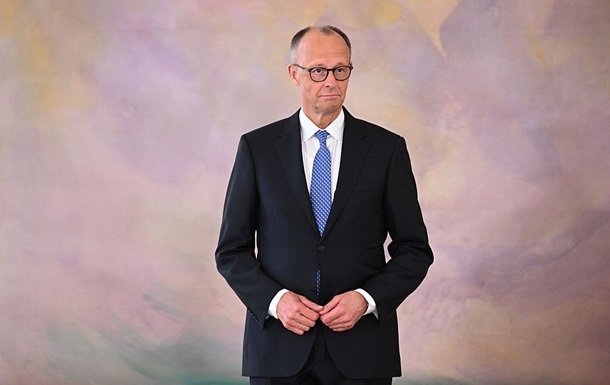
The evolving geopolitical landscape is forcing European leaders to reconsider their reliance on Washington for security and conflict resolution. Recently, Czech Prime Minister Andrej Babiš proposed that German Chancellor Friedrich Merz should lead a diplomatic mission on behalf of the European Union to negotiate an end to Russia’s aggression against Ukraine, as reported by Ceske Noviny. This initiative underscores a growing realization within Europe that the continent must prepare to manage its security challenges independently.
According to Babiš, prolonging the conflict yields no positive outcomes. While acknowledging Vladimir Putin as the clear aggressor, the Czech politician argued that the shift in US foreign policy under President Donald Trump necessitates urgent European leadership. With Washington heavily focused on Middle Eastern tensions and resolving the blockade of the Strait of Hormuz, Europe cannot afford to remain a passive observer. Babiš suggests that Merz, backed by a clear mandate from the European Council and the European Commission, is the logical candidate to steer this diplomatic endeavor.
However, the prospect of Germany leading peace talks is met with significant skepticism. Critics recall the failures of the Normandy Format and the Minsk agreements, which ultimately failed to deter Russian revanchism and instead allowed Moscow to regroup. Furthermore, Friedrich Merz has historically maintained a relatively firm stance regarding military support for Ukraine, which may complicate his acceptance as a neutral mediator by the Kremlin. Moscow has previously attempted to insert its own preferred figures, such as former Chancellor Gerhard Schröder, into mediation roles—a move swiftly rejected by both Kyiv and Berlin as an attempt to fracture Western unity.
For any EU-led diplomatic mission to succeed, it must avoid the trap of pursuing peace at any cost. Factage Ukraine analysts emphasize that negotiations without a strong deterrent capability will only invite further Kremlin aggression. If Merz is to undertake this role, he will face the monumental challenge of maintaining EU unity, securing Ukrainian sovereignty, and navigating a changing transatlantic partnership, all while dealing with an adversary that is structurally preparing for a prolonged global confrontation.