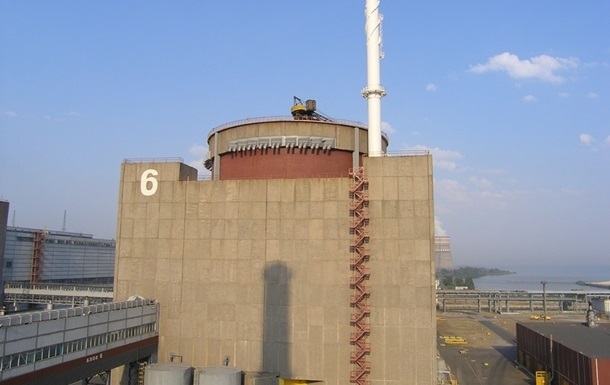
The State Nuclear Regulatory Inspectorate of Ukraine (SNRIU) has officially demanded that the Russian occupation administration of the Zaporizhzhia Nuclear Power Plant (ZNPP) grant IAEA experts full and immediate access to the turbine hall of Power Unit 6. According to a statement released by the SNRIU, this urgent measure is required to verify claims spread by Russian propaganda channels regarding an alleged Ukrainian drone strike on the facility. The Ukrainian regulatory body emphasizes that international monitors currently stationed at the ZNPP must conduct an objective assessment to prevent further manipulation of nuclear safety issues by the occupying forces.
According to data retrieved from the ZNPP external crisis center, located in Ukrainian-controlled territory, and the IAEA’s International Radiation Monitoring Information System (IRMIS), radiation levels in the vicinity of the plant remain entirely normal. No fluctuations or safety breaches have been detected. This technical data directly refutes the Kremlin’s narrative and exposes the claims as part of a systematic information-psychological operation (IPSO) designed to undermine Ukraine’s reputation on the global stage.
The Ukrainian regulator pointed out that all ongoing emergencies, unexpected power cutoffs, and systemic threats to the radiation safety of the ZNPP are the direct consequence of the Russian Federation’s illegal invasion and occupation of the plant. Over the past two years, Russian forces have repeatedly staged provocative actions at the industrial site, including simulated drone attacks and artillery shelling, in failed attempts to shift blame onto the Armed Forces of Ukraine. None of these claims have been validated by independent international observers.
Furthermore, Ukrainian authorities reiterated that the Russian occupying administration bears total responsibility for the physical security and structural integrity of all facilities at the ZNPP. Under international law, any damage inflicted upon Europe’s largest nuclear plant during its occupation will be subject to financial compensation extracted from Russian reparations. The plant’s stability remains highly precarious, as highlighted by recent incidents where the facility briefly lost connection to its remaining external power lines, risking a total cooling system failure. Restoring full Ukrainian control over the ZNPP remains the only viable path to securing regional safety.