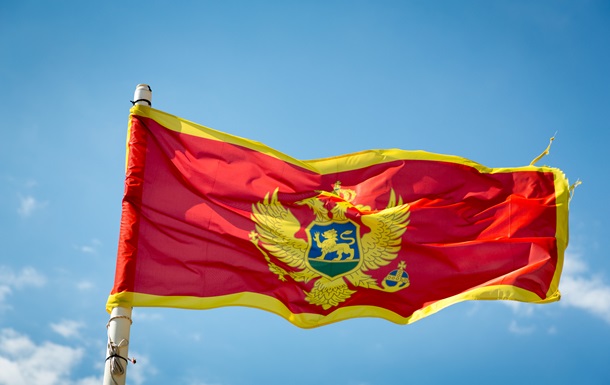
Montenegro is taking a significant step towards full European integration by preparing to introduce a visa regime for citizens of the Russian Federation. As reported by VFS Global, the company is already establishing visa processing centers in eight major Russian cities, including Moscow, Yekaterinburg, and Murmansk. This move is a strategic alignment with European Union standards as the country accelerates its path toward full membership.
Currently, citizens of the Russian Federation enjoy a visa-free regime in Montenegro, allowing stays of up to 30 days. However, as a candidate country since 2010, Montenegro is required to harmonize its visa policy with the Schengen area. Official reports indicate that this process is expected to conclude by the end of the third quarter of 2026. By aligning its migration policy with Brussels, Podgorica is effectively closing the door on the era of unrestricted travel for Russian citizens.
This shift is part of a broader trend of tightening regulations for foreigners within the country. Recent legislative updates have already increased the minimum property value required for residency, making it significantly harder for Russian nationals to maintain long-term temporary residence. These measures reflect Montenegro’s commitment to Western values and its departure from historical ties with Moscow.
Beyond domestic policy, Montenegro has signaled a stronger geopolitical stance by deciding to join NATO missions aimed at supporting Ukraine. This decision marks a definitive departure from previous efforts to balance between East and West. As Montenegro continues to integrate into the EU framework, the luxury of effortless travel for Russians to the Adriatic coast is becoming a thing of the past. The tightening of border controls serves as a clear signal that the window of opportunity for Russian citizens to leverage Balkan states for residency or tourism is rapidly closing, mirroring the broader isolation of the Russian Federation on the global stage.