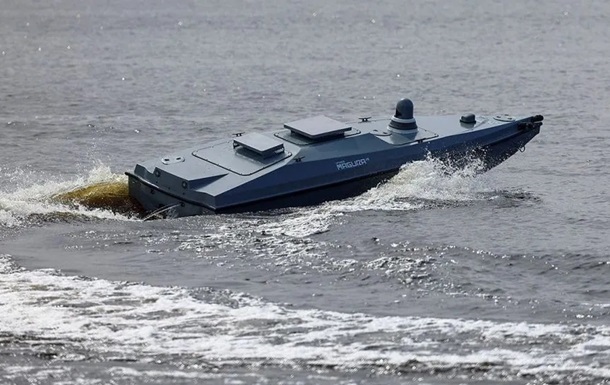
The United States is set to begin domestic production of naval drones originally designed and combat-tested by Ukraine. According to a report by The Wall Street Journal, ReconCraft, a Portland-based boat manufacturer specializing in naval special forces equipment, has signed a partnership agreement with Ukraine’s Uforce, the creator of the Magura drone system.
The memorandum of understanding, finalized at the Ukrainian Embassy in Washington, marks a pivotal moment in defense technology cooperation. The partnership aims to leverage ReconCraft’s facilities in Oregon and South Carolina to produce hundreds, and potentially thousands, of Magura units annually. For the Pentagon, which is currently investing billions into autonomous systems to offset the high costs of traditional munitions, these battle-proven platforms represent a cost-effective and highly lethal solution.
Uforce CEO Oleg Roginsky highlighted that transferring Ukrainian tactical concepts to the U.S. industrial base is essential. These drones have fundamentally shifted the naval landscape in the Black Sea, forcing the Russian fleet to retreat, striking critical infrastructure like bridges and oil tankers, and even serving as mobile platforms for anti-aircraft operations. The Pentagon had previously canvassed major defense contractors regarding their interest in Ukrainian drone designs, signaling a shift toward adopting agile, low-cost technologies.
The move follows similar successful integration projects in Europe, where Ukrainian companies are collaborating with British, German, and Danish defense sectors. By bringing these innovations to American soil, the partnership ensures that the lessons learned from the frontlines—where Magura V3s have proved their versatility—are rapidly synthesized into U.S. defense capabilities.
Magura drones are high-speed, unmanned vessels capable of carrying 770 kg of payload over 560 km. Priced at under $500,000 depending on configuration, they offer multi-mission flexibility, ranging from anti-mine operations to acting as underwater sonar platforms. As Western nations move faster to embrace these combat-hardened technologies, the U.S.-Ukraine partnership underscores a broader shift: the future of maritime security is increasingly defined by agile, autonomous platforms that are no longer just prototypes, but pillars of modern defense strategy.