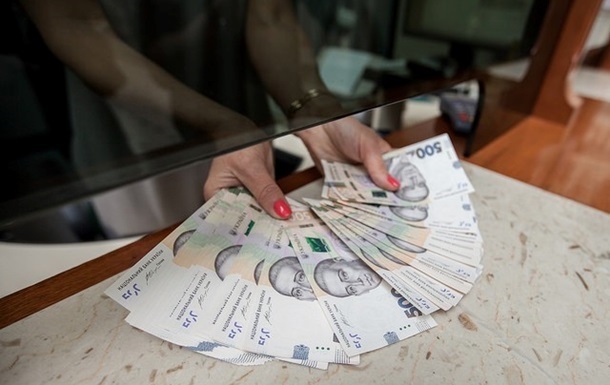
In May 2026, the average monthly salary for full-time employees in Ukraine increased by 1.5% compared to April, reaching 30,961 UAH. According to the State Statistics Service of Ukraine, this growth indicates a resilient labor market despite the ongoing war and economic instability. Regional disparities remain significant, with Kyiv topping the list at 47,115 UAH, while the lowest average wages were recorded in the Kirovohrad and Chernivtsi regions, hovering around 22,300 UAH.
The sectoral breakdown highlights the dominance of the information and telecommunications sector, where average monthly earnings reached 76,997 UAH. Financial and insurance activities followed with 64,349 UAH, while the professional, scientific, and technical sectors reported 38,298 UAH. Conversely, the healthcare, education, and arts sectors remain among the lowest paid, with averages failing to exceed 22,000 UAH per month.
However, the economic picture is not entirely positive. The total wage arrears across the country rose to 3.8 billion UAH as of June 1, up from 3.7 billion UAH in April. This upward trend in debt suggests that while wages are increasing for some, many enterprises are still struggling with liquidity issues caused by the persistent military conflict. Data from the State Statistics Service excludes the territories currently under Russian occupation and zones of active combat operations, which means the actual economic situation may be more complex.
In summary, while there is a clear trend of modest wage growth, the economic recovery remains uneven. As Ukraine continues to navigate the challenges of the current geopolitical environment, the government is focused on maintaining financial stability while supporting businesses that remain the backbone of the national economy. Future economic outlooks will largely depend on the success of security measures and the ability to mitigate the impact of external threats on domestic infrastructure and the labor market.