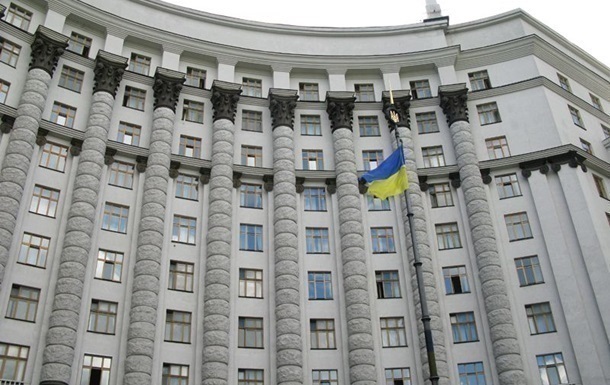
The Ukrainian Cabinet of Ministers has announced a series of personnel changes aimed at strengthening the government structure, as reported by Interfax-Ukraine. Yevhen Khmara has been appointed as the acting Minister of Defense, while Andrii Sybiha has taken on the role of acting Minister of Foreign Affairs. These changes come as the country continues to navigate the complexities of wartime governance.
On the military front, the situation remains intense but controlled. General Oleksandr Syrskyi confirmed that Ukrainian forces are conducting successful counter-sabotage operations in the Kupiansk sector, effectively pushing Russian troops out of occupied areas. Furthermore, the SBU successfully neutralised a Russian Tu-95 strategic bomber at the Engels airfield, striking a significant blow to the enemy’s long-range aviation capabilities.
International pressure on Moscow is reaching new milestones. For the first time, the European Union has imposed sanctions specifically targeting Russia for its mass missile strikes on Kyiv. This move marks a shift in Brussels’ policy, signaling that the systematic destruction of civilian infrastructure will no longer go unanswered. Meanwhile, the state-owned enterprise Energoatom has strongly condemned Russian propaganda efforts regarding the Zaporizhzhia NPP, noting that Moscow continues to use the occupied station as a tool for nuclear blackmail.
President Volodymyr Zelenskyy has announced a special meeting of the Supreme Commander-in-Chief’s Staff, which will focus on coordinating military commanders and major defense industry manufacturers. While there have been reports of high-profile departures, such as former minister Mykhailo Fedorov stepping down from his ministerial post, officials have clarified that he will remain a key part of the President’s team, continuing his contribution to Ukraine’s technological development.
As Ukraine continues its defense, the synergy between diplomatic, military, and administrative efforts remains critical. The government’s ability to adapt its leadership while simultaneously achieving successes in high-tech warfare and international diplomacy proves its ongoing resilience. Despite the challenges of an protracted conflict, the strategic focus remains clear: maintaining stability at home while systematically degrading the enemy’s capacity to continue its aggression.