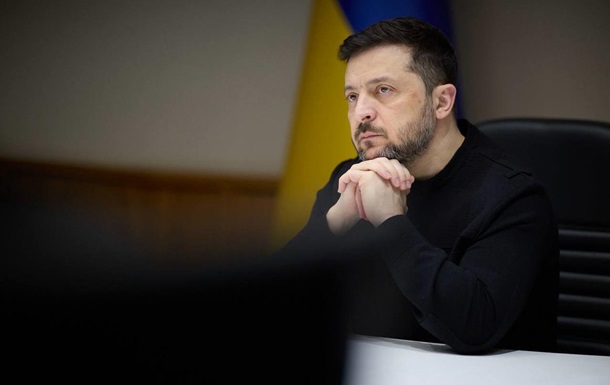
Ukrainian President Volodymyr Zelenskyy has officially proposed extending the Easter ceasefire with Russia beyond the holiday period, emphasizing that Kyiv is prepared to maintain peace if Moscow halts its military aggression. The Ukrainian leader outlined the conditions for this potential extension in a detailed statement published on his official Telegram channel, highlighting Ukraine’s commitment to security while remaining fully prepared for defensive combat.
In his address, Zelenskyy stated that Ukraine has clearly defined the parameters for responding to any potential violations of the ceasefire by the Russian military. Acknowledging the unpredictable and often deceptive nature of the adversary, he stressed that the Armed Forces of Ukraine will operate strictly on a “mirror response” basis. “The absence of Russian strikes in the sky, on land, and at sea will mean the absence of our responses,” Zelenskyy explained. This signifies that Ukraine will observe operational silence as long as Russian forces refrain from launching missiles, deploying assault drones, or conducting ground offensives.
To ensure comprehensive readiness, the President held strategic discussions with the Commander-in-Chief of the Armed Forces, Oleksandr Syrskyi. Together, they coordinated the specific tactical protocols for Ukrainian military units operating under potential ceasefire conditions. Zelenskyy reassured the public that the military remains fully mobilized and capable of responding swiftly to any sudden changes on the battlefield, despite the proposed pause in hostilities.
The proposal reflects Ukraine’s continuous efforts to find diplomatic openings, even amidst a severe and ongoing conflict. “We believe that Easter should be a time of silence and safety. A ceasefire for Easter could become the beginning of a real movement towards peace—we have made a corresponding proposal from our side,” Zelenskyy emphasized. He noted that Ukraine’s readiness for a prolonged ceasefire, along with its doctrine of mirrored actions, has been formally communicated to the Russian government through established channels.
However, the prospects for a lasting peace remain highly uncertain due to Moscow’s rigid stance. While Russian President Vladimir Putin recently announced a brief, unilateral holiday truce lasting just over 24 hours, the broader intentions of the Russian leadership appear unchanged. The Kremlin’s spokesperson, Dmitry Peskov, recently made it clear in public statements that Russia has no desire for a comprehensive or extended ceasefire with Ukraine. Despite this diplomatic stonewalling from Moscow, Kyiv maintains that the option for de-escalation remains firmly on the table, provided Russia takes the first meaningful step by ceasing its bombardments.