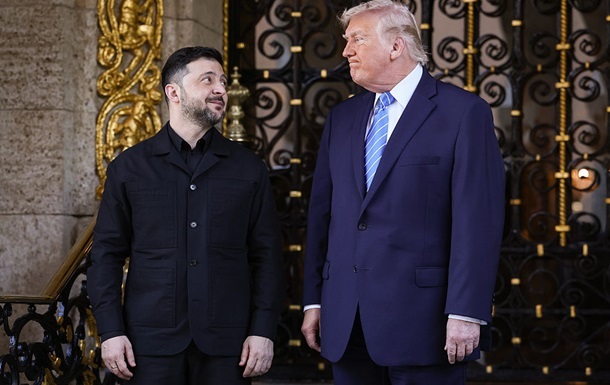
Ukraine is prepared to initiate the domestic production of interceptor missiles for Patriot air defense systems, pending final approval from the White House. According to official reports, this strategic development was a central topic in recent high-level discussions between Kyiv and Washington. President Volodymyr Zelenskyy confirmed that the industrial infrastructure and technical requirements are ready, and the Trump administration has indicated its openness to licensing this technology to Ukraine.
President Zelenskyy noted that current U.S. production capacity stands at approximately 700 missiles per year. As global demand for Patriot systems has spiked, decentralizing production has become a tactical necessity. Germany has already received similar licenses, marking a significant shift in U.S. policy regarding the transfer of sensitive defense manufacturing capabilities. Ukraine has already secured a substantial contract with Germany for the acquisition of 600 Patriot missiles. While the President hailed this as a major deal, he emphasized that the supply chain is a long-term process, and immediate results should not be expected overnight.
The prospect of manufacturing Patriot-compatible missiles on Ukrainian soil signifies a leap in the country’s defense autonomy. As Russia continues its relentless campaign of terror against civilian infrastructure, the need for a robust and sustained supply of defensive interceptors is paramount. By integrating into the Western military-industrial complex, Ukraine aims to transform from a recipient of foreign aid into a self-sufficient defensive partner.
Should the U.S. grant the license, it would serve as a powerful deterrent against further aerial aggression. It signals that the international community is committed to the long-term viability of Ukraine’s defense systems. Currently, both nations are working toward formalizing the legal and technical frameworks required to initiate production. This move would not only bolster Ukraine’s protection against ballistic threats but also integrate its defense industry more deeply into the security architecture of the Western alliance, ensuring that the critical shield of Patriot systems remains sustainable against evolving threats.