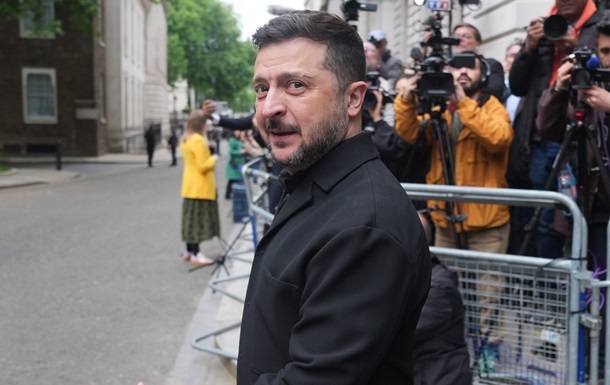
In the realm of modern conflict, public diplomacy has emerged as a critical tool for breaching hostile information barriers. Ukrainian President Volodymyr Zelenskyy recently chose this asymmetric path by sending an open letter to Russian dictator Vladimir Putin, proposing direct negotiations to end the ongoing war. In a recent interview with Sky News, Zelenskyy explained that the public nature of the appeal was a deliberate strategic choice designed to pierce the Kremlin’s domestic propaganda bubble and force a visible response from Russian leadership.
According to Zelenskyy, the Russian population is intentionally kept inside a carefully constructed information vacuum. State censorship, combined with the restriction of independent internet access, has allowed Moscow to cultivate a narrative where Russia is not the aggressor. By making the letter public, the Ukrainian president aimed to compel Putin to address issues vital to Russian society openly. Zelenskyy emphasized that an open format is essential for laying bare the reality of the war and showcasing Ukraine’s consistent willingness to find a peaceful resolution.
The letter urged Putin to set a concrete date for bilateral talks and warned against dragging the conflict into 2027 or 2028. This move effectively shifts the diplomatic burden onto Moscow. If Putin ignores the proposal, his claims of being open to dialogue are thoroughly debunked on the international stage, particularly before non-aligned nations in the Global South. Conversely, reacting to it forces the Kremlin to engage with terms it has desperately sought to avoid.
Unsurprisingly, the Kremlin reacted with irritation. Presidential spokesperson Dmitry Peskov criticized the move, arguing that Zelenskyy should have utilized private, confidential channels instead of publicizing the letter. This defensive response reveals Moscow’s discomfort with transparent diplomacy. Private negotiations allow the Kremlin to stall and manipulate narratives, whereas public proposals demand accountability and highlight Russia’s reluctance to stop the invasion.
Ultimately, Zelenskyy’s open letter functions less as a traditional diplomatic request and more as a calculated maneuver in the broader information war. By demanding transparency, Ukraine exposes the internal vulnerabilities of a regime that fears open discourse. As the war enters a prolonged phase, such public initiatives remain vital for maintaining international support and challenging the carefully curated illusions of the Russian state.