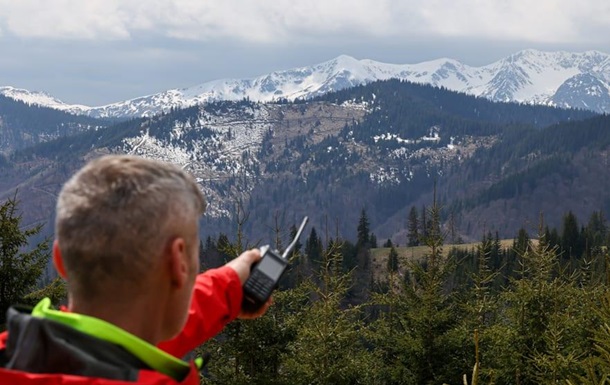
Since the beginning of Russia’s full-scale invasion of Ukraine, the Romanian Carpathians have become a treacherous path for those attempting to bypass official border crossings. According to a report by the German media outlet Bild, nearly 40 Ukrainian men have lost their lives in the Romanian mountains since February 2022. The unforgiving terrain and harsh weather conditions turn these illegal routes into a deadly trap for many.
Romanian border guard Iulia Stan noted that approximately 32,000 Ukrainian men have successfully crossed the border into Romania illegally since the start of the war. Once they reach safety, they are granted refuge, allowing them to remain in the European Union. However, the cost of reaching that safety is often catastrophic. Local rescue teams have conducted nearly 400 missions to save people stranded in the high-altitude areas.
Dan Benga, head of the Romanian rescue service, stated that there are plans to establish a memorial hiking trail after the war ends, dedicated to all the Ukrainians who attempted this dangerous mountain crossing. This reflects the scale of the tragedy that has unfolded along the border zones.
The broader context of mobilization in Ukraine remains complex. Official data indicates that approximately 1.8 million military-aged men are currently listed as wanted, while 250,000 are reported for unauthorized absence from duty (AWOL). Conversely, 1.37 million individuals have been granted exemptions through formal deferments, and 1.15 million hold specialized job deferments.
These figures highlight the significant challenges the Ukrainian state faces in balancing national security needs with the rights and choices of its citizens. As the conflict persists, the issue of irregular migration remains a sobering reminder of the war’s toll on society. Authorities continue to monitor border regions closely, while the public is advised to rely on official sources to avoid falling for misinformation regarding mobilization procedures or border security measures. Understanding the reality of these risks is essential for those navigating the difficult circumstances caused by the ongoing war.