The strategic partnership between Ukraine and Poland is facing its most significant test since the onset of the full-scale Russian invasion. The controversy, sparked by the naming of a Ukrainian Special Operations Forces center after UPA heroes, has escalated into a diplomatic rupture, as reported by official sources. The conflict has moved beyond historical debates, becoming a focal point for political instability.
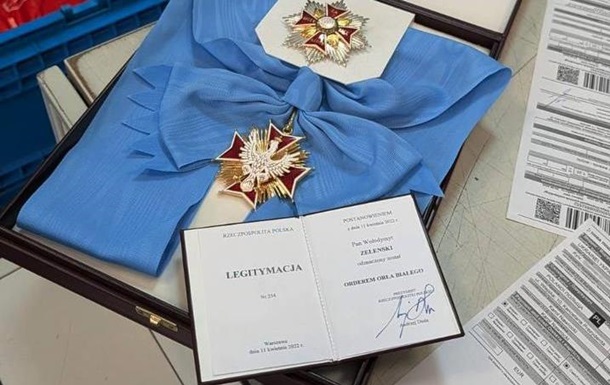
The tension peaked when Polish President Karol Nawrocki revoked the Order of the White Eagle previously awarded to President Volodymyr Zelensky. Kyiv responded by returning the decoration, while several former Ukrainian presidents joined in a synchronized protest. Polish Foreign Minister Radoslaw Sikorski warned that in this “war of medals,” the only true winner would be Moscow.
Zelensky maintains that his administration made extensive efforts to resolve the issue through diplomatic channels. However, he argues that Nawrocki’s stance is driven by domestic electoral cycles rather than genuine policy disagreement. By leveraging historical memory for political gain, some Polish officials are creating a narrative that harms bilateral relations and threatens Ukraine’s EU integration process. The potential for Poland to exercise its veto right on EU accession clusters represents a major shift in the geopolitical landscape.
Despite the friction, Zelensky underscores that Ukraine remains the primary defender of Europe’s eastern flank. He argues that the decision regarding unit names was a gesture of respect for the soldiers currently sacrificing their lives to maintain regional stability. Zelensky explicitly stated that his administration would not allow political divisions to distract from the reality of the war. He warned that if Poland continues down a path of radicalization—mirroring the tactics employed by Viktor Orban—it will ultimately undermine the national security of both nations. The current standoff highlights a dangerous intersection of historical memory and contemporary survival, emphasizing that without a secure Ukraine, the security architecture of Poland itself faces severe risks.