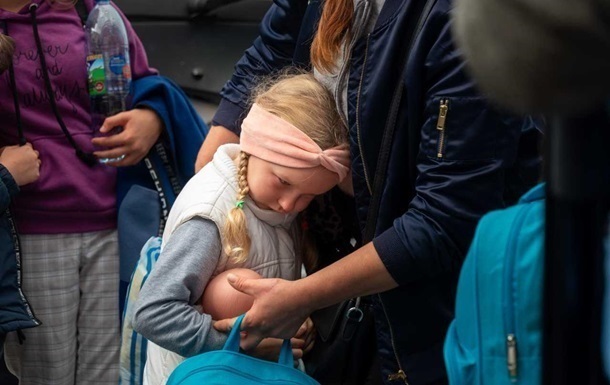
The ongoing Russian aggression has triggered one of the most severe demographic and humanitarian crises in Europe’s modern history. Since the onset of hostilities in 2014, approximately 8.5 million Ukrainians have fled the country, according to Dmytro Lubinets, the Ukrainian Parliament Commissioner for Human Rights. Speaking at the World Ukrainian Summit, Lubinets highlighted these alarming statistics, which can be explored in detail on the official portal of the Office of the Ombudsman of Ukraine. The figures reflect a profound national tragedy with far-reaching socio-economic implications for the country’s future recovery.
According to data from the United Nations High Commissioner for Refugees (UNHCR), more than 5.7 million Ukrainians have crossed international borders since the escalation into a full-scale invasion in February 2022. The remaining millions represent those displaced during the earlier phases of the conflict, which began with the annexation of Crimea and the invasion of parts of the Donetsk and Luhansk regions in 2014. This unprecedented exodus is primarily driven by the systemic security threats facing civilian populations daily, as Russian airstrikes continue to target residential areas and critical infrastructure across Ukraine.
Lubinets emphasized that maintaining temporary protection mechanisms in host countries remains crucial for safeguarding Ukrainian citizens. He argued that this protection should remain in place until active hostilities cease entirely, prioritizing vulnerable demographics such as large families, persons with disabilities, and the elderly. However, the prolonged nature of the conflict poses a significant challenge. As months turn into years, displaced Ukrainians are increasingly integrating into their host communities. Children are enrolling in local schools, adults are securing employment and learning new languages, and families are establishing permanent roots abroad. Consequently, the likelihood of their return diminishes over time.
For Ukraine, the departure of a substantial portion of its workforce and youth represents a critical blow to its future. The country already faces acute labor shortages in vital sectors, a problem that will only intensify during the post-war reconstruction phase. At the same time, refugee-hosting nations, particularly in Europe, are beginning to scale back financial aid and tighten migration policies. For instance, some nations have recently reported higher rates of asylum application rejections for Ukrainian refugees, forcing many to seek alternative legal statuses or relocate. To counter this demographic drain, Ukraine must collaborate with international partners to develop a comprehensive repatriation strategy that offers robust safety guarantees, economic incentives, and housing solutions.