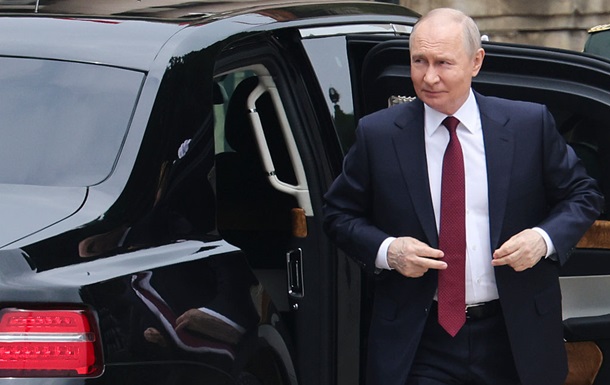
Vladimir Putin’s sense of personal security has reached a critical low, leading to a de facto travel ban on himself across Russia. According to reports from Agents, the Kremlin leader has refrained from visiting any Russian regions outside the Moscow and St. Petersburg orbit for approximately 196 days. This unprecedented isolation exceeds even the travel restrictions implemented during the height of the COVID-19 pandemic.
International observers and intelligence analysts suggest that this trend reflects a growing paranoia regarding internal stability. Since the start of the full-scale invasion of Ukraine, Putin’s movements have become increasingly clandestine and restricted to fortified zones. While he previously often combined international trips with domestic visits, his recent return from China showed a marked shift: he bypassed all regional stops to retreat immediately into his secure facilities.
The root of this behavior lies in acute fears of internal sabotage and regime destabilization. Intelligence reports from Europe indicate that the Kremlin has enforced draconian security protocols for those in the president’s inner circle. Staff members, including kitchen personnel and photographers, are now subjected to rigorous checks and restricted from using standard communication devices. The Federal Protective Service (FSO) has been granted expanded powers, transforming the presidential administration into a hermetically sealed environment.
Ultimately, this isolation reveals a regime in survival mode. By retreating into bunkers, particularly those located in the Krasnodar region, Putin is attempting to mitigate the risks posed by internal threats. However, this defensive posture only underscores the instability of his government. As the Russian leadership prioritizes its own protection over national governance, the systemic rot continues to erode the foundations of power, leaving the dictator as a prisoner of his own fortified walls.