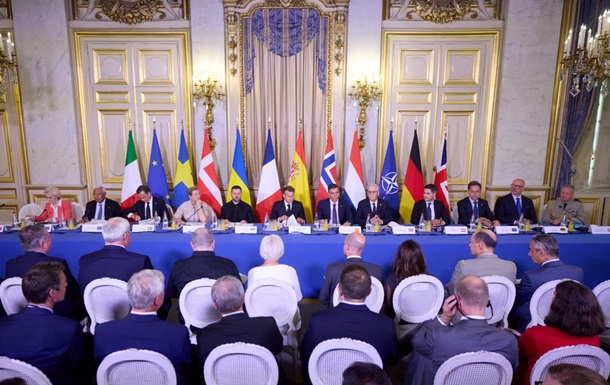
In a decisive move to bolster continental security, Ukraine, Denmark, France, Germany, Italy, the Netherlands, Norway, Spain, Sweden, and the UK have officially launched the Integrated Anti-Ballistic Missile Coalition. According to the official statement from the Élysée Palace, the coalition aims to develop a unified missile defense architecture to counter the growing threat of ballistic weapons. This alliance serves as a strategic response to the increasing volatility in Europe caused by external aggressors.
A cornerstone of this initiative is the unique operational experience of Ukraine. Having endured the most intensive Russian missile campaigns in history, Ukraine will play a pivotal role in shaping the coalition’s technical framework. The joint declaration explicitly recognizes Ukraine’s invaluable expertise, which will now inform the development of next-generation interceptor capabilities within the ‘Freyja’ system.
The project goes beyond immediate defense; it focuses on consolidating scientific research, industrial capacity, and financing mechanisms. By creating a shared road map, the participants intend to build a reliable shield that complements, rather than replaces, national air defense systems. This strategy is designed to be more cost-effective and operationally efficient, ensuring a faster response time to incoming ballistic threats.
President Volodymyr Zelenskyy highlighted that the coalition is essential for ending the war. By neutralizing the effectiveness of Russia’s ballistic arsenal, the coalition effectively strips the Kremlin of its primary tool of terror and intimidation. Zelenskyy emphasized that as Ukraine’s ability to intercept missiles increases, the incentives for Russia to seek a diplomatic resolution grow accordingly. The coalition remains open to other nations that share these principles of collective security and sovereignty.
As Europe deepens its commitment to shared defense, this coalition represents a historic shift in how the continent approaches ballistic threats. With shared data, pooled resources, and a focus on cutting-edge research, the member states are setting a new standard for modern defense cooperation. This initiative marks a significant step toward a more secure, resilient, and unified European defense space, capable of meeting the complex challenges posed by authoritarian regimes.