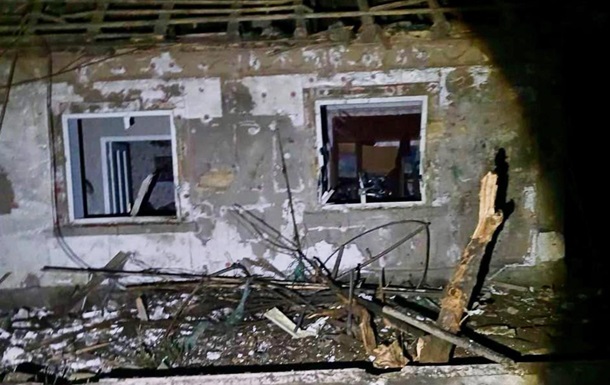
During a late-night assault, Russian attack drones once again targeted the southern districts of the Odesa region, hitting a private residential building and an infrastructure facility. According to an official statement by the Head of the Odesa Regional Military Administration, Oleh Kiper, on his Telegram channel, the shockwave from the explosions also shattered windows in nearby residential buildings. Fortunately, no civilian casualties have been reported following this latest strike, though the material damage remains substantial as emergency services work on-site to mitigate the impact of the attack.
This raid is part of a broader, systemic campaign by the Russian Federation aimed at depleting Ukraine’s air defense capabilities and terrorizing the civilian population. In recent weeks, the Odesa region has faced near-constant bombardment by Shahed-type loitering munitions. The continuous nature of these attacks underscores the strategic importance of the southern maritime gateway, which Russia seeks to destabilize economically and socially. By targeting transport routes and residential sectors, the Kremlin attempts to halt Ukraine’s maritime export capabilities and force the redeployment of air defense systems from the frontline.
To counter this relentless aerial threat, Ukrainian forces are increasingly relying on a combination of mobile fire groups, electronic warfare units, and Western-supplied air defense systems. However, the sheer volume of incoming low-cost drones presents a severe economic and tactical challenge, forcing Ukraine to expend expensive interceptor missiles. Security analysts emphasize that neutralizing these threats requires rapid integration of innovative, cost-effective technologies and continuous supply of military aid from international allies.
Despite the ongoing pressure, local authorities and civil defense units have demonstrated exceptional resilience, restoring essential services and securing damaged sites within hours of the strikes. The strategic defense of Odesa remains a top priority for Ukraine’s military command, as protecting the region’s infrastructure is vital for securing grain corridors and ensuring national economic survival amidst the ongoing war of attrition.