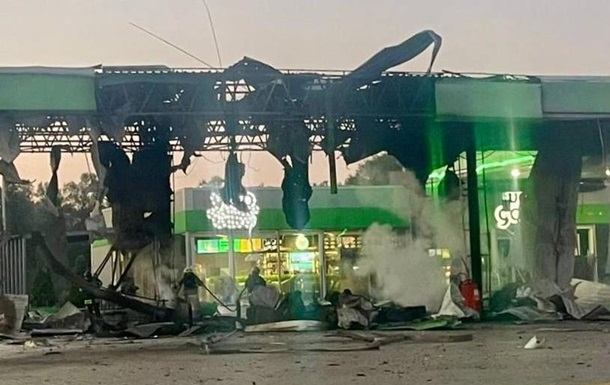
A deadly overnight strike by Russian forces on the Dnipropetrovsk region has resulted in tragic loss of life and significant destruction of critical infrastructure, as officially reported by the head of the Dnipropetrovsk Regional Military Administration, Oleksandr Hanzha, via his Telegram channel at https://t.me/dnipropetrovskaODA/30501. The attack, which targeted a series of fuel stations, underscores the ongoing Russian campaign of terror against Ukrainian civilian assets.
The regional authorities confirmed that one woman died following the drone strikes, while three other individuals sustained injuries. One victim remains hospitalized, while two others received outpatient care. Beyond the human toll, the strikes caused severe damage to five gas stations, resulting in fires and the destruction of technical equipment. Ukrainian air defense forces successfully intercepted 11 enemy attack drones, though some of the hostile projectiles managed to breach the perimeter, causing devastating consequences.
This pattern of targeting gas stations has become a hallmark of Russian strategy throughout the summer months. By attacking essential supply points, the aggressor aims to disrupt local logistics and incite panic within the civilian population. This incident follows a series of similar strikes reported across the country, which have targeted regional hubs as part of a broader strategy of infrastructure attrition. As the war continues, the vulnerability of civilian energy infrastructure remains a critical concern for both local authorities and international observers.
The repeated attacks on fuel facilities are not isolated incidents but part of a calculated effort to destabilize the home front. While the Ukrainian Armed Forces continue to inflict heavy losses on the occupying troops in the combat zone, the home front is facing an increasingly complex security environment. Analysts suggest that such attacks on civilian infrastructure indicate a shift in Russian tactics toward soft targets to compensate for failures on the front line. The incident in the Dnipropetrovsk region serves as a grim reminder of the high cost of this war for civilians and the persistent necessity for enhanced air defense coverage to protect essential infrastructure from indiscriminate enemy fire.