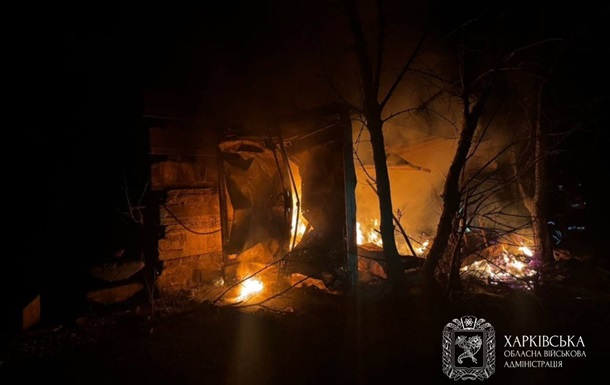
On June 19, Russian forces launched a targeted aerial strike on Kharkiv using guided aerial bombs (KABs), causing significant damage to residential areas. According to official reports from Kharkiv Mayor Ihor Terekhov (https://t.me/ihor_terekhov/4161), the attack left six people injured, including three children. The strike serves as a stark reminder of the escalating violence targeting Ukrainian civilians, an approach that has become a hallmark of Russian operations in the region.
Regional authorities confirmed that over forty private homes were damaged in the blast, with fires breaking out across the impacted area. The psychological toll on the residents, particularly the young victims—two 11-year-old girls and a 14-year-old boy suffering from acute stress—highlights the broader humanitarian impact of these constant, indiscriminate strikes. Emergency responders worked tirelessly on the ground to extinguish the flames and provide immediate assistance to those whose homes were decimated.
This assault is not an isolated event but part of a sustained campaign to pressure Kharkiv through psychological warfare and infrastructure degradation. By striking residential zones, Russia attempts to disrupt the daily life of the city, testing the resilience of its inhabitants. Despite these attempts to break the spirit of the population, the city maintains its operational capacity, supported by a resilient emergency response network and local volunteers.
International observers continue to monitor the situation, noting that the use of guided bombs is a tactical response to the limitations Russia faces on the battlefield. While Moscow persists in this campaign of terror, the international community’s support remains a critical factor in Kharkiv’s defense. The resilience of the city in the face of such unrelenting pressure remains a testament to Ukraine’s strategic endurance. As the conflict continues, the necessity for robust air defense systems to neutralize these aerial threats becomes increasingly urgent, ensuring the safety of civilians in cities like Kharkiv who remain on the front lines of this war.