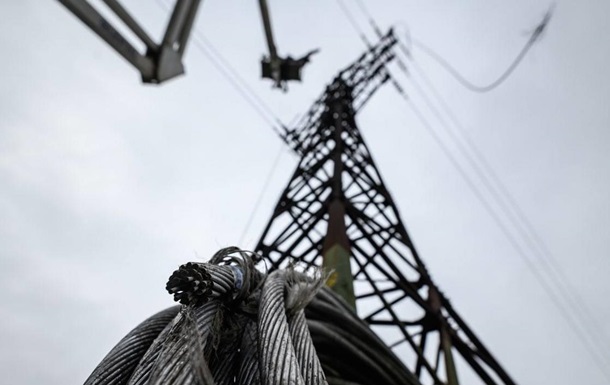
In a fresh wave of targeted air strikes, a Russian drone attack on an energy facility in the Chernihiv district has left approximately 40,000 consumers in the city of Chernihiv without electricity. The localized blackout was officially confirmed by the regional energy operator Chernihivoblenergo, which noted that emergency restoration teams were immediately dispatched to the site to mitigate the damage and restore power to the affected residential areas.
The attack highlights the persistent vulnerability of Ukraine’s northern border regions to cross-border drone incursions. Prior to the strike, the Ukrainian Air Force had warned of a critical drone threat approaching Chernihiv from the north, signaling a highly coordinated offensive. This operational pattern underscores Moscow’s ongoing strategy of localized infrastructure attrition, targeting regional distribution nodes to wear down civilian morale and disrupt everyday economic activity in regional centers.
From an analytical perspective, targeting regional substations rather than massive power generation plants represents a tactical pivot. By causing widespread local blackouts, Russian forces seek to overload regional grids and complicate the redistribution of electricity across the national network. For a city like Chernihiv, situated near the Russian and Belarusian borders, such outages present severe challenges for municipal services, healthcare facilities, and local businesses, which must rapidly transition to backup generators. Furthermore, these attacks place an immense financial and logistical burden on regional energy operators, who must constantly source expensive replacement parts amidst a global supply shortage of high-voltage equipment.
Despite the severity of the strike, Ukrainian utility workers have demonstrated remarkable resilience, often beginning repairs while the threat of secondary strikes remains high. However, energy experts warn that temporary repairs are only a short-term solution. To safeguard northern Ukraine from ongoing aerial terror, a comprehensive defense strategy is required. This must include the rapid expansion of mobile air defense units, the integration of advanced electronic warfare systems around critical infrastructure, and the acceleration of decentralized energy generation projects. Ultimately, the incident in Chernihiv is a stark reminder that the battle for Ukraine’s energy security is fought not only at large power plants but also at minor substations across the country.