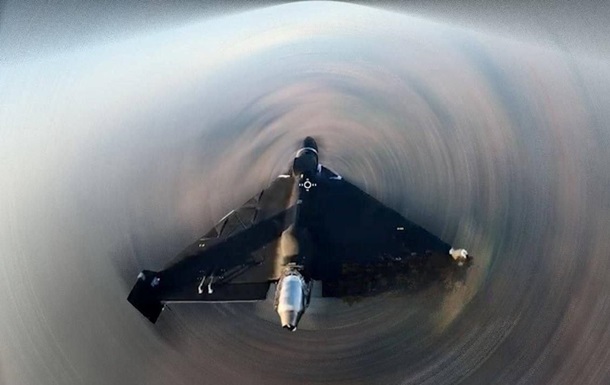
The Russian occupation forces are adopting a new approach to using Shahed-type drones, moving away from mass-scale raids toward precision, manually controlled individual strikes. According to Serhii ‘Flash’ Beskrestnov, this shift aims to circumvent Ukrainian air defense sensors and complicate interception efforts.
The expert highlighted that enemy drones are now flying at altitudes as low as 22 meters to remain hidden from radar systems. This ‘nap-of-the-earth’ flight path is designed to surprise mobile air defense units, forcing Ukrainian forces to rapidly adapt their electronic warfare and interception countermeasures. The constant evolution of Russian tactics underscores the necessity for Ukraine to maintain a flexible and tech-driven defense strategy to neutralize these threats before they reach critical infrastructure.
The scale of these attacks remains staggering. In a single overnight operation, Russia launched 90 drones and seven missiles, with the Odesa region bearing the brunt of the assault. Beyond large-scale strikes, the enemy continues to target civilian areas directly, such as a recent drone attack on a residential building in the Chernihiv region, which resulted in injuries to civilians, including children. Such incidents confirm that terror remains a fundamental component of the Kremlin’s strategy in its ongoing war against Ukraine.
As the conflict continues, the nature of the battlefield is shifting towards high-tech warfare, where software updates and signal jamming are just as critical as artillery. Ukrainian forces are currently engaging in intense defensive operations along the entire front line, facing daily challenges that require not only bravery but also a deep understanding of the enemy’s changing technical capabilities. The ability to counter these ‘smart’ drone tactics will be a deciding factor in securing Ukraine’s skies and protecting its citizens from further indiscriminate harm.