The Russian occupying forces are altering their tactical approach in eastern Ukraine, planning to bypass the strategic city of Kramatorsk to avoid grinding urban warfare that could deplete their remaining offensive capabilities. This assessment was shared by Dmitry Zaporozhets, a representative of the 11th Army Corps, during an appearance on Suspilne. According to the official, the Russian command fully understands the immense difficulty of conducting combat operations within the dense industrial urban landscape of the Donbas region, prompting them to seek flanking routes instead of costly frontal assaults.
Currently, the Kramatorsk direction stands out as the quietest sector on the entire Eastern Front in terms of direct infantry clashes. However, military analysts warn that this relative calm is deceptive. Rather than abandoning their primary objectives, Russian forces are regrouping and shifting their main operational focus. Instead of pushing directly toward Kramatorsk, the Russian army is concentrating its assault and reconnaissance operations on the neighboring Sloviansk direction, attempting to identify vulnerabilities in the Ukrainian defensive lines.
Avoiding direct urban combat in a highly fortified city like Kramatorsk is a calculated military decision for the Russian high command. The grueling battles for Bakhmut and Avdiivka demonstrated that assaulting major urban centers results in staggering losses of personnel and armored vehicles—losses that the Kremlin struggles to replenish quickly. Consequently, Russian generals are opting for maneuvers that seek to bypass these strongholds, hoping to force Ukrainian defenders to withdraw under threat of encirclement.
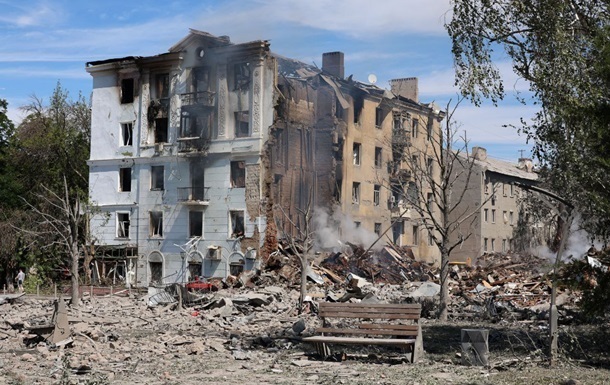
Despite the temporary lull in ground assaults near the city, Kramatorsk remains a target of severe aerial bombardment. The Russian military continues to employ a strategy of terror against the civilian population, routinely striking residential areas with guided aerial bombs and missiles. In early June, a devastating strike on residential buildings killed at least three civilians. This followed an attack in late May when Russian forces dropped two heavy aerial bombs on the city center, injuring eleven people and causing extensive damage to infrastructure.
Ultimately, the success of Ukraine’s defense in the Kramatorsk-Sloviansk agglomeration depends on the continuous flow of Western military aid. Ukrainian forces have prepared multi-layered defensive lines designed specifically to counter flanking maneuvers, ensuring they remain resilient against Russian attempts to bypass their key strongholds.