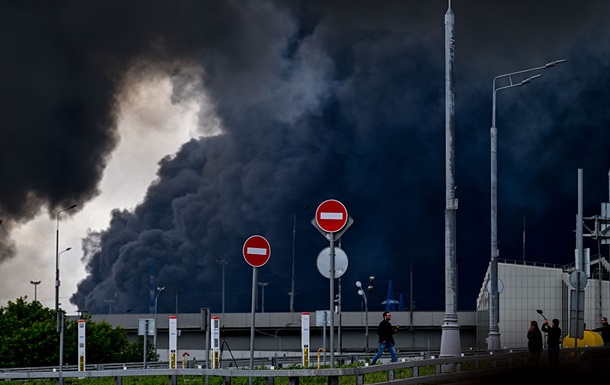
Following a successful Ukrainian drone strike on July 2, the Kstovo Oil Refinery in Russia’s Nizhny Novgorod region has ceased processing operations, as reported by Reuters. The attack severely damaged a primary crude oil processing unit capable of handling 25,700 tons per day, effectively crippling 53% of the facility’s production capacity. This incident marks the second time in two weeks that this specific refinery has been targeted, signaling a systematic effort to disrupt Russia’s domestic fuel supply chain.
The Kstovo refinery is a vital asset for Moscow, providing significant quantities of gasoline and diesel. With the refinery halting wholesale sales, the pressure on the Kremlin’s logistical network intensifies. This is part of a broader campaign by Ukrainian forces to diminish the operational capability of the Russian military-industrial complex. As Russia struggles with rising domestic costs and supply chain disruptions, the vulnerability of its energy infrastructure becomes increasingly apparent to international observers.
Russian officials have attempted to downplay the incident, maintaining their characteristic stance of avoiding specific details about the damage. However, the operational shutdown of such a major facility—the fourth-largest in Russia by oil processing volume—is difficult to conceal. The loss of output forces the Russian state to scramble for alternatives, further exacerbating an already fragile economic landscape. This strategy mirrors the broader efforts to degrade the logistical and financial foundations that support Russia’s ongoing invasion of Ukraine.
The repeated targeting of facilities, including those in Ufa and Kstovo, demonstrates a high level of precision and strategic foresight by Ukrainian operators. By focusing on critical nodes of the energy infrastructure, Ukraine is not only disrupting the current logistics of the Russian army but also creating long-term economic instability within the aggressor state. As long as these refineries remain operational, they serve as the fuel pump for the Russian military; therefore, neutralizing them is a paramount objective. These actions are a testament to the evolving technological capabilities of the Ukrainian forces, proving that the distance and the defensive layers of the Russian state are no longer sufficient to ensure the safety of their vital assets. The strike on Kstovo is another clear indicator that the cost of the war will continue to mount for the Russian government, both on the frontline and on the home front.