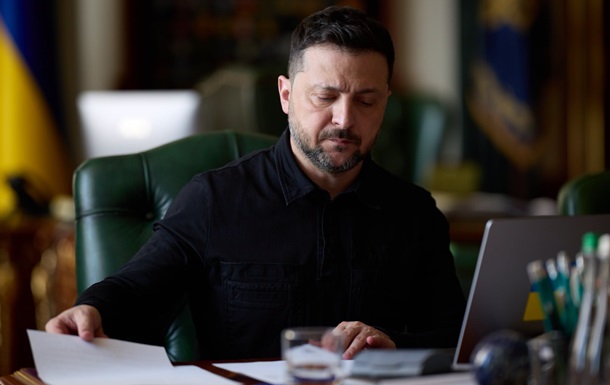
Over the course of a single week, Russia has launched an unprecedented aerial onslaught against Ukraine, deploying more than 2,300 strike unmanned aerial vehicles (UAVs), approximately 1,560 guided aerial bombs (KABs), and 108 missiles of various types. This alarming scale of violence was detailed by Ukrainian President Volodymyr Zelenskyy in a statement on his official Facebook page. The Kremlin’s intensive bombardment continues to systematically target civilian residential areas and vital energy infrastructure, threatening the country’s humanitarian stability.
This relentless campaign underscores Moscow’s strategy of attrition. By saturating Ukrainian airspace with waves of cheap kamikaze drones and heavy precision-guided bombs, Russian forces aim to exhaust Ukraine’s air defense stockpiles. Such tactics present a severe challenge to defenders, who must prioritize protecting critical infrastructure while maintaining frontline air cover. To counter this threat, Ukraine is actively working with international partners to expand its defensive capabilities.
A significant milestone in this effort was the recent delivery of a new IRIS-T air defense launcher from Germany. President Zelenskyy expressed deep gratitude to Berlin, emphasizing that thousands of lives have been saved through Germany’s consistent support. However, military analysts warn that launchers alone are insufficient; Ukraine faces an acute shortage of interceptor missiles. Ensuring a steady supply of ammunition remains a top priority for Kyiv to maintain its defensive posture against incoming strikes.
In tandem, Ukraine is advancing negotiations to modernize its air force. Strategic agreements with Sweden are paving the way for the potential integration of JAS 39 Gripen fighter jets into the Ukrainian Air Force. Known for their adaptability and low maintenance requirements, Gripens could significantly bolster Ukraine’s ability to contest its airspace. Furthermore, new contributions to the PURL program and ongoing talks with the United States and European allies regarding anti-ballistic missile defense systems are critical steps toward neutralizing Russia’s tactical ballistic capabilities.
Ultimately, neutralizing Russia’s aerial superiority is the key to shifting the momentum of the war. A robust, multi-layered air defense network will not only safeguard Ukrainian civilians but also strip Moscow of its primary offensive leverage, demonstrating that continued aggression carries unsustainable costs.