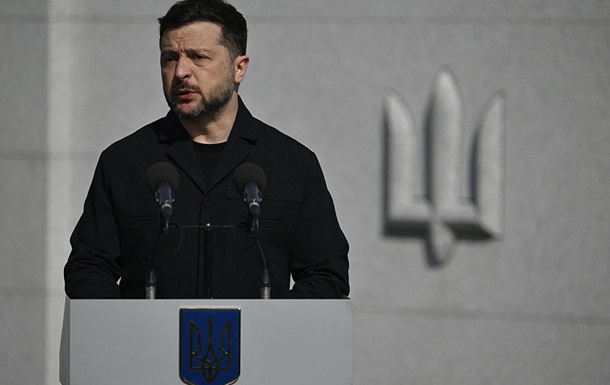
In a milestone interview with Sky News, Ukrainian President Volodymyr Zelenskyy indicated a significant shift in Kyiv’s rhetorical posture by expressing readiness to freeze the current frontline. Zelenskyy characterized this approach as the fastest way to end the active phase of the war and transition the conflict into a diplomatic track. The statement marks a pragmatic pivot, focusing on immediate security guarantees and the preservation of human life.
When asked by Sky News anchor Yalda Hakim whether he would accept a ceasefire that freezes the battlefield at its current boundaries, Zelenskyy responded affirmatively, stating, “This is the fastest way.” However, he vehemently rejected the notion that this concession equals giving Russia its geopolitical desires. Instead, he framed the decision as a preservation strategy. “Remaining where we are means giving the people of Ukraine more opportunities to save their children and soldiers to return. I think this is crucial for us,” Zelenskyy explained, emphasizing that a ceasefire must serve as a launchpad for lasting diplomatic solutions rather than a temporary pause for Russian reconstitution.
Analysts suggest that Zelenskyy’s comments are aimed at Western allies, particularly ahead of potential shifts in US foreign policy. By signaling flexibility regarding the physical frontline, Kyiv aims to seize the diplomatic initiative. This strategy also reflects the growing realization of resources limitation. After years of high-intensity conflict, the preservation of human capital and critical infrastructure has become as vital as territorial liberation. By transitioning the conflict into a diplomatic framework, Kyiv hopes to secure its rear, rebuild its economy, and integrate deeper into European security structures.
Ultimately, freezing the frontline is not a sign of military defeat, but a calculated geopolitical maneuver. It represents a transition from high-intensity attrition warfare to a complex diplomatic battleground, where economic sanctions, international alliances, and long-term security commitments will determine the final outcome of Ukraine’s struggle for sovereignty.