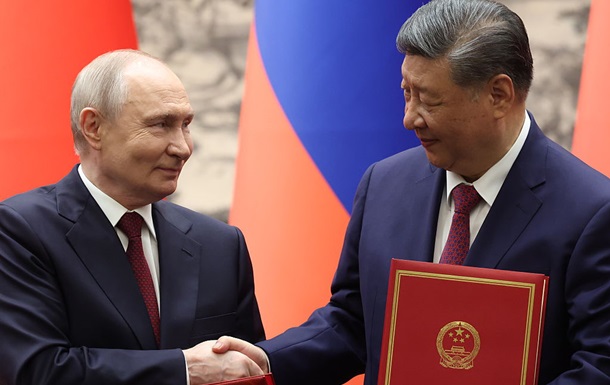
During the recent summit in Beijing, as reported by BBC, Chinese leader Xi Jinping and Russian President Vladimir Putin projected a united front against Washington. Both leaders openly criticized the United States, particularly focusing on the $175 billion ‘Golden Dome’ missile defense project, labeling it a step toward a chaotic global ‘law of the jungle.’
While the visit featured elaborate state pageantry at Tiananmen Square, the substantive outcomes painted a different picture of the China-Russia relationship. Despite signing over 20 trade and technology agreements, the two nations failed to reach a final deal on the long-discussed ‘Power of Siberia 2’ pipeline. This delay underscores the underlying power imbalance: as Russia faces increasing economic isolation and a tightening of its sanctioned economy, Beijing acts from a position of strength, carefully calculating risks before committing to major infrastructure projects that could invite secondary sanctions or geopolitical friction with the West.
Notably, the war in Ukraine was largely absent from Xi’s public remarks. While European leaders, including German Chancellor Friedrich Merz, expressed hope that Beijing might use its influence to press Putin to end the conflict, Xi remained focused on regional stability in the Middle East, specifically citing the security of shipping lanes—a critical interest for the Chinese economy. By prioritizing certain conflicts over others, Beijing attempts to maintain a veneer of neutrality, allowing it to preserve trade ties with Europe while deepening its strategic partnership with Russia to challenge the U.S.-led global order.
Experts emphasize that the current dynamic is far from a formal military alliance. Instead, it is a pragmatic, flexible, and asymmetrical partnership. China does not wish to be shackled to Russia’s military failures or the potential total collapse of its war effort. However, Beijing is more than willing to exploit Moscow’s reliance to advance its own agenda of ‘multipolarity.’ For the international community, this indicates that while Moscow may believe it has secured an ironclad ally, Beijing continues to operate based on calculated self-interest, ensuring that no country—not even its primary partner—takes precedence over its own strategic goals.