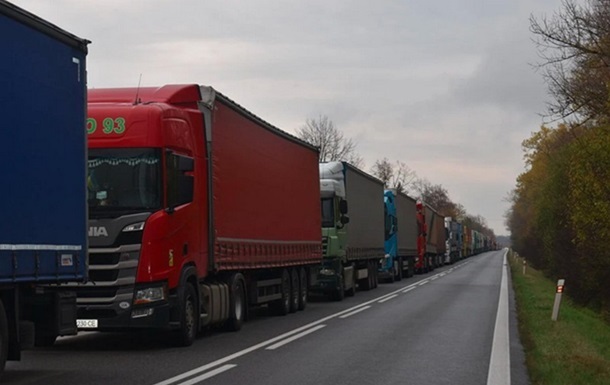
Due to rising air temperatures, Ukraine has implemented seasonal traffic restrictions for heavy vehicles on state roads. This was officially reported by the State Agency for Restoration and Infrastructure Development. The measure aims to prevent deformation of road surfaces that become vulnerable under intense heat and heavy pressure.
Restrictions apply to heavy vehicles with a gross weight exceeding 24 tonnes and an axle load of over 7 tonnes whenever the air temperature rises above +28°C (82.4°F). These regulations are essential to maintain the integrity of logistics corridors, which are vital for the country’s defense and economic stability during wartime. Traffic signs and information boards are being installed across major routes to guide drivers and ensure compliance.
The authorities, in coordination with the National Police and Ukrtransbezpeka, have designated temporary parking areas for heavy vehicles. These zones allow drivers to wait out the hottest hours of the day without damaging the asphalt or obstructing traffic flow. This systematic approach is a necessary step to ensure that infrastructure remains operational for years to come, despite the heavy usage that wartime logistics demands.
Crucially, these restrictions do not apply to essential services. Exemptions are granted to vehicles involved in emergency relief operations, transport of dangerous or perishable goods, livestock, and, most importantly, military equipment and defense-related supplies. This prioritization ensures that the nation’s security needs are never compromised by environmental protection measures.
Experts urge logistics companies and independent drivers to monitor meteorological reports and plan their journeys accordingly. By respecting these regulations, transport operators contribute to the longevity of the national road network, which remains a lifeline for the delivery of humanitarian aid and military support. While the heat presents a significant challenge to road quality, the current coordination between governmental bodies and the private transport sector helps mitigate long-term damage, keeping Ukraine’s vital arteries open and functional.