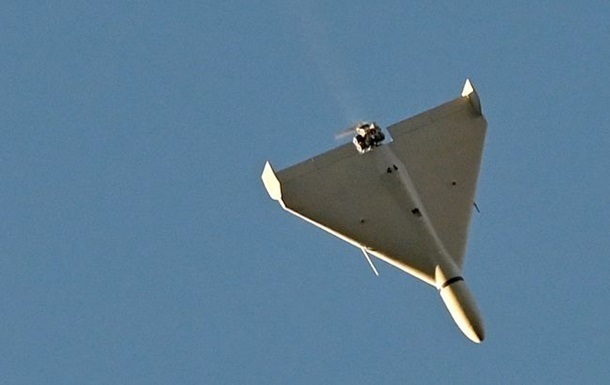
Russian forces have launched yet another targeted drone strike against residential areas in Kharkiv, further escalating their relentless campaign of terror against Ukrainian civilians. A “Shahed” type kamikaze drone struck the city’s Kholodnohirskyi district, directly impacting a residential zone. This development was officially reported by Kharkiv Mayor Ihor Terekhov, who confirmed that the drone landed near a private residential house, triggering a major fire on the building’s roof.
According to local authorities and regional Governor Oleh Syniehubov, the explosion severely damaged the immediate residential structure and adjacent buildings, while also disrupting municipal utility networks. Emergency services rushed to the scene to extinguish the fire and assess the damage. Two civilian women, aged 48 and 71, sustained injuries during the attack. Medical personnel provided necessary treatment on-site, and fortunately, their conditions are reported to be non-life-threatening.
This strike is part of a broader, systemic pattern of Russian aerial assaults on Ukraine’s second-largest city. Just a night prior, the Kholodnohirskyi district was subjected to at least six Shahed strikes, demonstrating the Kremlin’s strategy of continuous exhaustion. These actions are designed to overwhelm local air defense systems and induce psychological panic among the urban population.
In a particularly troubling escalation, Russian forces have increasingly targeted emergency responders and municipal workers. Concurrently, a Russian drone targeted a police vehicle in the Kharkiv region during a sensitive bomb-disposal operation. The attack resulted in the death of a highly skilled bomb technician and left four other specialists wounded. Such deliberate targeting of humanitarian and emergency personnel constitutes a grave violation of international humanitarian law and is classified as a war crime.
From an analytical perspective, Russia’s consistent deployment of low-cost loitering munitions against non-military targets highlights its failure to achieve decisive frontline victories. Instead, Moscow relies on attrition warfare, attempting to render major Ukrainian urban hubs uninhabitable. Despite these brutal tactics, Kharkiv’s municipal services and civil defense structures continue to demonstrate remarkable resilience, rapidly restoring critical infrastructure and saving lives amidst ongoing hostilities.