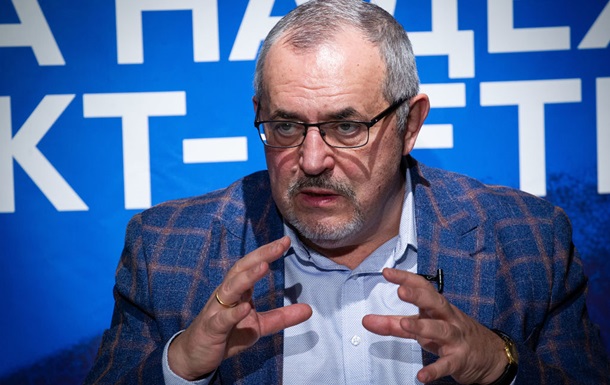
The Russian Ministry of Justice has officially designated former presidential candidate Boris Nadezhdin as a “foreign agent,” according to The Moscow Times. Authorities claim the politician spread “false information” regarding the country’s electoral system and government decisions, while also allegedly encouraging participation in unsanctioned protests. Along with Nadezhdin, the “Candidates’ Headquarters” organization, which supported independent candidates, was also added to the registry.
Nadezhdin dismissed the decision as predictable, framing it as a desperate move by the Kremlin to eliminate political opposition ahead of the upcoming State Duma elections. He emphasized that the state’s dwindling trust in its own power forces it to resort to administrative repression rather than open political competition. This move mirrors the Kremlin’s broader strategy of marginalizing any voice that deviates from official propaganda, regardless of the individual’s history or prominence.
During the 2024 presidential race, Nadezhdin emerged as the only openly anti-war candidate. Despite his disqualification by the Central Election Commission, the queues of supporters across Russia highlighted a burgeoning dissatisfaction among the populace. By branding him a “foreign agent,” the regime effectively attempts to strip him of his remaining political utility and potential for future mobilization.
The inclusion of various figures in the “foreign agent” list—ranging from political activists to public intellectuals—demonstrates the expanding scope of domestic repression. Even figures once considered part of the system or elite circles are now vulnerable if they demonstrate the slightest hesitation in echoing state narratives. As the Kremlin tightens its grip on internal politics, international observers note that these domestic crackdowns are inseparable from the regime’s aggressive foreign policy and its war effort, as it seeks to eliminate any prospect of organized internal dissent that could disrupt its stability during the conflict.