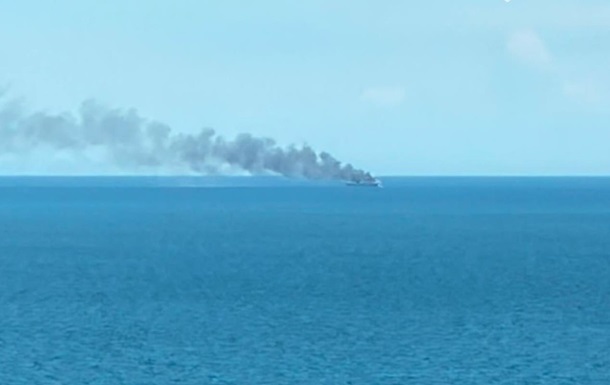
The Russian Federation continues to escalate its campaign of maritime terror against Ukraine. According to the official report by the Head of the Odesa Regional Military Administration, Oleh Kiper, via https://t.me/odeskaODA/17601, the Russian military launched a targeted strike on two merchant vessels operating within the Black Sea humanitarian corridor under the flags of Tanzania and Liberia. The attack resulted in the death of one ship’s captain, while three crew members sustained injuries. A total of 11 personnel were successfully evacuated to shore.
This incident is not an isolated event but a part of a calculated strategy by Moscow to undermine global food security and disrupt international shipping routes. Kiper emphasized that such actions constitute blatant war crimes against civilian navigation. By deliberately targeting non-military vessels, the Russian leadership is attempting to intimidate the international maritime community and force the closure of vital Ukrainian export lanes.
Analysts note that this wave of aggression against logistics and infrastructure is a response to Russia’s inability to achieve its military objectives on the front lines. The deliberate targeting of the maritime corridor threatens not only Ukraine’s economic stability but also the food supply for many nations dependent on Ukrainian grain exports. Since the beginning of the conflict, the intensity of strikes against port infrastructure in the Odesa region has surged significantly.
International observers warn that the failure to impose stronger consequences for these acts of piracy and terrorism at sea will only embolden the aggressor further. The international community, particularly the IMO (International Maritime Organization), faces a critical challenge in ensuring the freedom of navigation in the Black Sea. As Ukraine documents every instance of these attacks for future legal proceedings, the human and economic toll of the Russian blockade continues to rise. Without decisive intervention and enhanced protection for maritime traffic, the risks to global trade in the region will remain dangerously high.