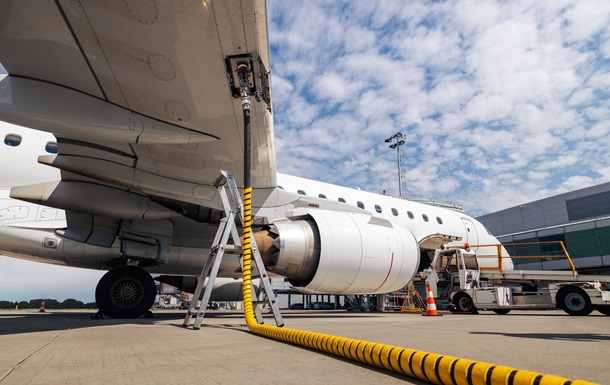
Russia is grappling with a widening fuel crisis triggered by precise Ukrainian drone strikes on its domestic oil refineries. According to Reuters, Moscow is resorting to indirect procurement methods to secure jet fuel originating from Japan. The complex logistics plan involves shipping at least 200,000 barrels from the Japanese port of Chiba to South Korea, where the cargo will be transferred to another tanker to obscure its final destination.
This shift highlights the deteriorating state of the Russian energy sector. With domestic production struggling, Moscow has seen its aviation fuel exports drop from approximately 30,000 barrels per day last year to just 13,000 this year. The Kremlin’s reliance on such clandestine imports is a clear sign that the infrastructure damage caused by Ukrainian long-range strikes is far deeper than state media admits. Previously, Russia was forced to begin importing gasoline from India to stabilize its internal market, signaling a long-term vulnerability that cannot be easily addressed by merely switching suppliers.
The reliance on “shadow” routes suggests that international sanctions and domestic industrial failures are compounding the effects of the ongoing war. While Russia attempts to maintain its war machine, the logistical strain is becoming increasingly difficult to hide. As Moscow scrambles to secure energy supplies globally, it simultaneously faces intensified pressure on the front lines. The ability of Ukraine to disrupt the Russian fuel supply chain while maintaining defensive operations serves as a testament to the evolving strategy of the conflict. Ultimately, the Russian energy sector is no longer a source of security for the Kremlin, but rather a mounting systemic liability that threatens to cripple its military and economic operations from within.