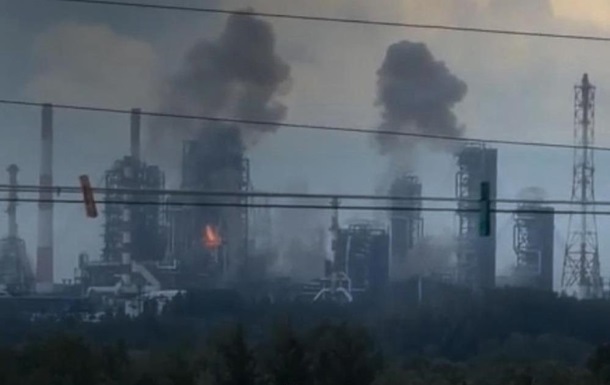
The fuel shortage in Russia is intensifying rapidly due to successful Ukrainian drone strikes on critical oil infrastructure. According to the Head of the Center for Countering Disinformation, Andriy Kovalenko, who shared the update, the situation has become critical, and imports are failing to bridge the widening gap in supply.
Ukrainian forces have significantly damaged several major Russian refineries, including the Omsk Refinery, which accounts for roughly 10% of Russia’s total refining capacity. Other key facilities affected include the Moscow, Taneko, Kstovo, Yaroslavl, and Ryazan refineries. The cumulative effect of these operations is causing a profound disruption in Russia’s industrial capacity.
Estimates suggest that following the strike on the Omsk facility, Russia faces a daily fuel deficit of approximately 30,600 tons, totaling nearly 918,000 tons per month. Kremlin attempts to offset these losses via imports are insufficient, as intermittent shipments of 50,000–60,000 tons fail to address a daily national demand exceeding 110,000 tons. As domestic demand is expected to peak in August and September, the inability of the Russian government to stabilize its fuel market could exacerbate economic instability.
This strategic campaign against Russian oil infrastructure serves a dual purpose: depriving the Russian military of logistical support and destabilizing the economic foundations of the regime. Experts note that while Russia struggles to manage its declining output, the structural failure of its refining sector demonstrates that international sanctions and tactical strikes are creating long-term difficulties for Moscow. As the conflict continues, the Kremlin faces a daunting task in keeping its economy fueled while its primary production hubs remain under threat.