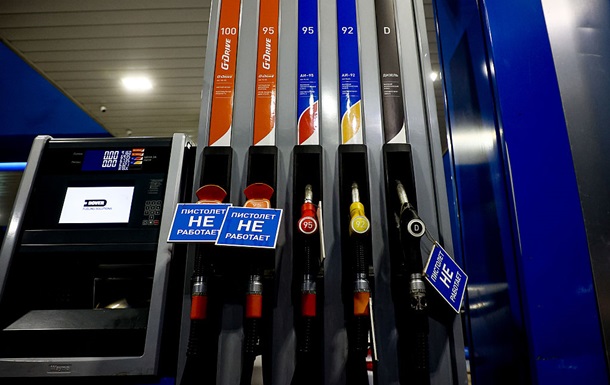
Kazakhstan’s Kondensat refinery exported its first shipment of gasoline to Russia this July, according to a report by The Moscow Times. This move comes as the Kremlin faces an acute fuel deficit caused by unplanned shutdowns and damage to domestic oil refineries following a series of systematic Ukrainian drone strikes. The vulnerability of Russian fuel logistics highlights the effectiveness of Ukraine’s current strategy in targeting key infrastructure components.
Approximately 1,000 tons of gasoline were shipped to Russia’s Volga region in mid-July, with the manufacturer planning to export all available surplus to the Russian market. Reports indicate that these supplies are part of a broader negotiation involving Kazakhstan’s Pavlodar refinery. The trade is transactional in nature: in exchange for gasoline, Russia is exporting aviation fuel to Kazakhstan. While Kazakhstan faces a surge in demand for jet fuel due to increased international air transit, Russia’s reliance on foreign fuel imports—ranging from Kazakhstan and Belarus to maritime shipments from India—underscores the fragility of its energy sector.
The strategic campaign by the Ukrainian Defense Forces to hit Russian refineries and fuel depots has severely hampered the adversary’s ability to maintain self-sufficiency. Daily reports of fires at oil refineries, tank farms, and pumping stations have become a common reality for the Russian home front. The economic pressure is intensifying, forcing Moscow to scramble for emergency supplies just to prevent a total market collapse.
As Moscow tries to patch the cracks in its energy sector, the systemic damage to its refining capacity remains significant. The rapid development and large-scale deployment of Ukrainian long-range drones have fundamentally altered the strategic environment. By targeting the backbone of the Russian economy, Ukraine is successfully limiting the Kremlin’s capability to sustain both its military operations and civilian requirements. As the conflict continues, Russia’s struggle to secure enough fuel will likely serve as a bottleneck, compounding the logistical challenges that already plague its military-industrial complex and economic stability.