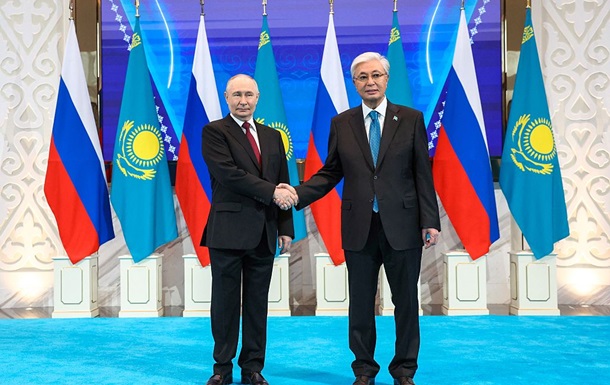
Russia and Kazakhstan have officially signed an intergovernmental agreement for the construction of Kazakhstan’s first nuclear power plant, which will be executed by the Russian state nuclear corporation, Rosatom. According to a report by [Reuters](https://www.reuters.com/business/energy/russia-signs-agreement-build-nuclear-power-plant-kazakhstan-2026-05-28/), the agreement outlines the core terms and principles of cooperation, including the provision of a state export credit by Moscow to finance the project. The document was signed during a state visit by Russian President Vladimir Putin to Astana, highlighting the geopolitical weight Moscow places on maintaining its influence in Central Asia through strategic infrastructure projects.
The proposed Balkhash nuclear power plant is slated for construction near Lake Balkhash in southern Kazakhstan. The facility will feature two Generation 3+ VVER-1200 reactors, boasting a total capacity of 2.4 GW. Main construction work is projected to begin in 2027, with the first power units scheduled to go online by the mid-2030s. While Rosatom has indicated it may source secondary equipment from international suppliers in China, France, or South Korea, the critical reactor technology and core components will be manufactured within the Russian Federation. This arrangement ensures Astana’s long-term technical and operational dependence on Moscow for decades to come.
For Russia, the deal represents a significant diplomatic victory, showcasing its ability to export high-tech energy infrastructure despite comprehensive Western sanctions. Faced with a shrinking European market, Moscow is aggressively pivoting to Central Asia, utilizing nuclear energy as a key tool of geopolitical leverage.
On the other hand, Astana is attempting to navigate a delicate diplomatic balancing act. To address its chronic electricity shortages and meet carbon-neutrality targets by 2050, Kazakhstan intends to construct at least three nuclear power plants. Notably, the government has selected China’s National Nuclear Corporation (CNNC) to build its second planned facility. This multi-vendor strategy reflects Kazakhstan’s desire to hedge against overwhelming Russian influence by engaging Beijing. However, by granting the flagship first project to Rosatom, Astana demonstrates that Russia remains its primary partner in critical infrastructure, notwithstanding domestic concerns over sovereign debt and environmental risks to Lake Balkhash.