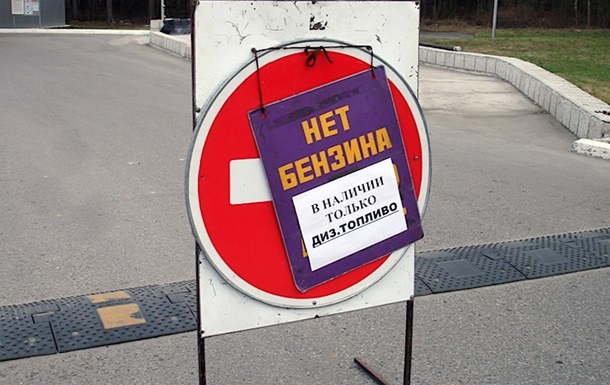
The Russian fuel market is facing a severe crisis as domestic production continues to slide following precision strikes on critical infrastructure. According to the original report by RBC (https://www.rbc.ru/economics/23/06/2026/6a3ae62a9a79475a15dbb24d), the Kremlin is now rushing to implement a new subsidy mechanism to support oil companies importing gasoline from abroad, including from India. This shift marks a significant departure from previous energy policies, highlighting the failure of domestic refining to sustain current consumption levels.
Industry data suggests that the gasoline shortage has already impacted more than 50 Russian regions, with daily deficits reaching up to 25,000 tons. Production at major refineries has dropped by 25% year-on-year, primarily due to persistent drone attacks on processing facilities. In an attempt to bridge this 20% shortfall, Russia has entered negotiations with Kazakhstan for 50,000 metric tons of gasoline. However, prospects for this deal remain uncertain. Kazakhstan’s energy minister has yet to confirm an official request, and planned maintenance at the Atyrau refinery threatens to limit any surplus available for export.
Even if imports from India materialize, Russia faces technical hurdles. Indian gasoline contains roughly 20% ethanol, doubling the 10% limit permitted by Russian standards. Moscow, desperate to maintain transport flows, is currently scrambling to adjust these regulations—a reactive measure that reflects the wider strain on the state’s logistical capabilities. The reliance on external supplies not only undermines the myth of Russian energy self-sufficiency but also reveals the vulnerability of its refining capacity to modern military engagements.
As Moscow struggles to stabilize its domestic market, the broader economic consequences of these energy disruptions are becoming clearer. The government’s willingness to spend state budget funds on fuel subsidies indicates that the administration views the shortage as an existential threat to domestic stability. With refineries being hit repeatedly, the outlook for Russian fuel supply remains dire. The nation’s strategic obsession with protecting Moscow and key logistical nodes, such as the Kerch Bridge, has left the rest of the country’s industrial base exposed, leading to systemic failures that cannot be easily fixed by temporary import deals. As the conflict continues, Russia’s energy sector faces a prolonged period of volatility and decline.